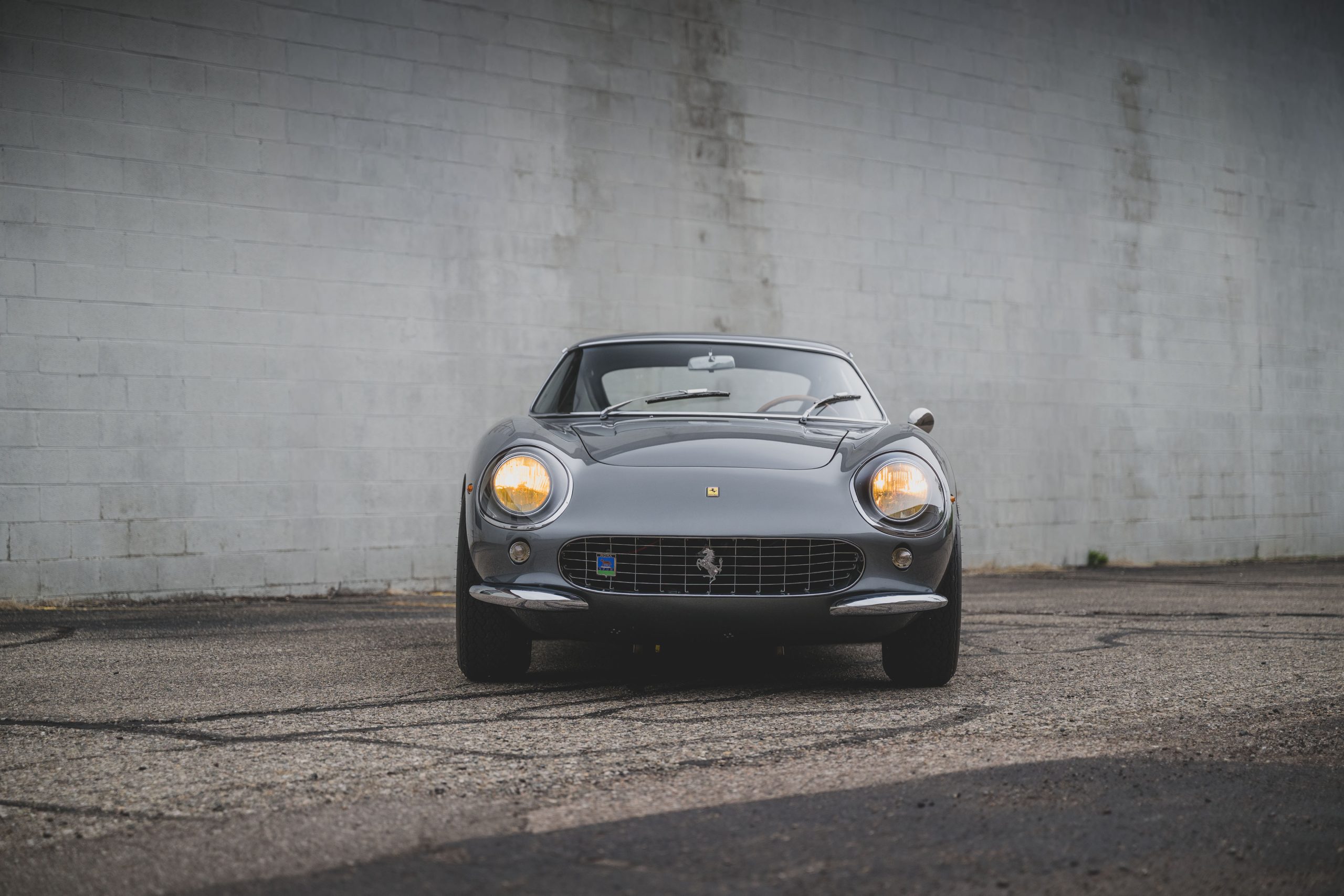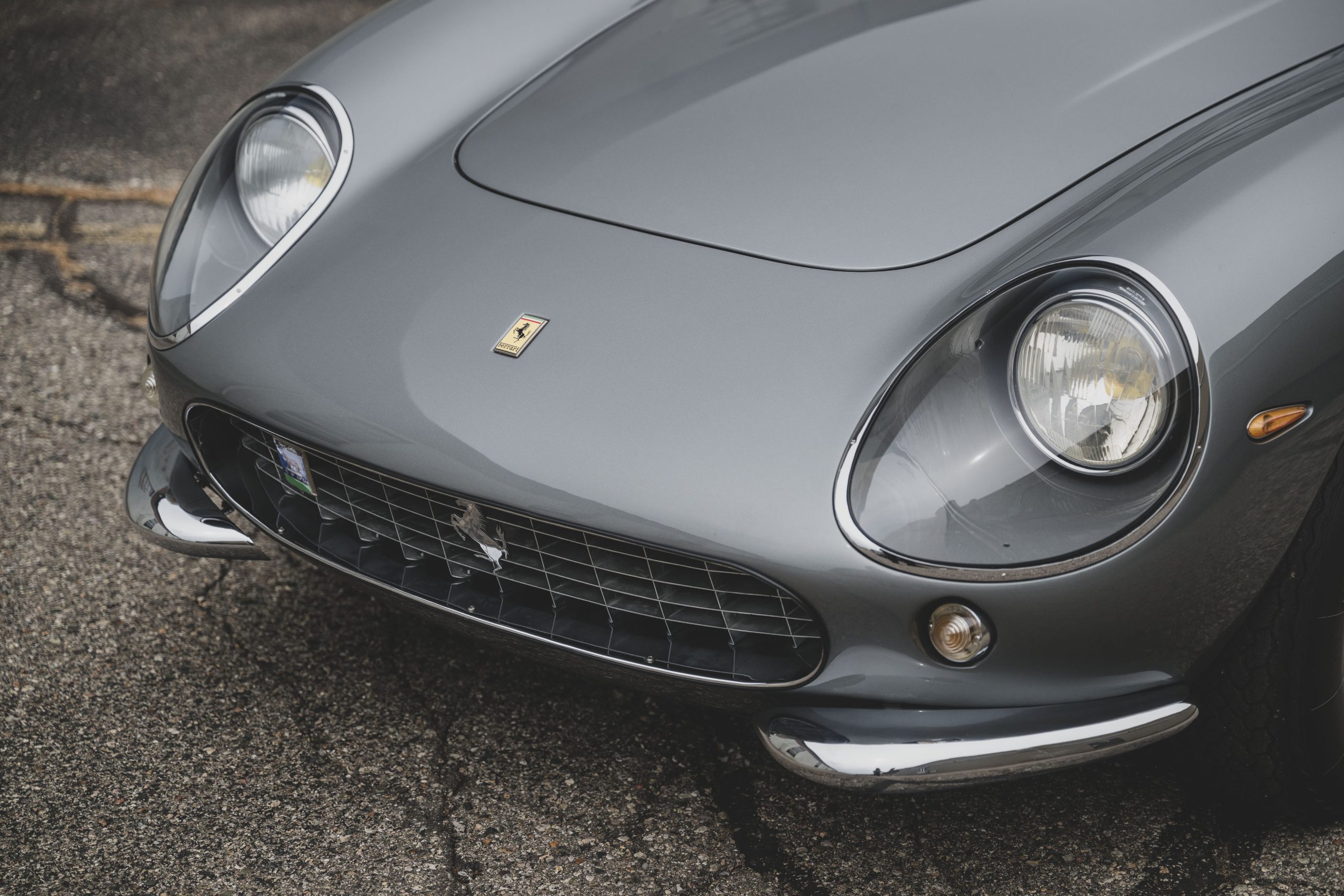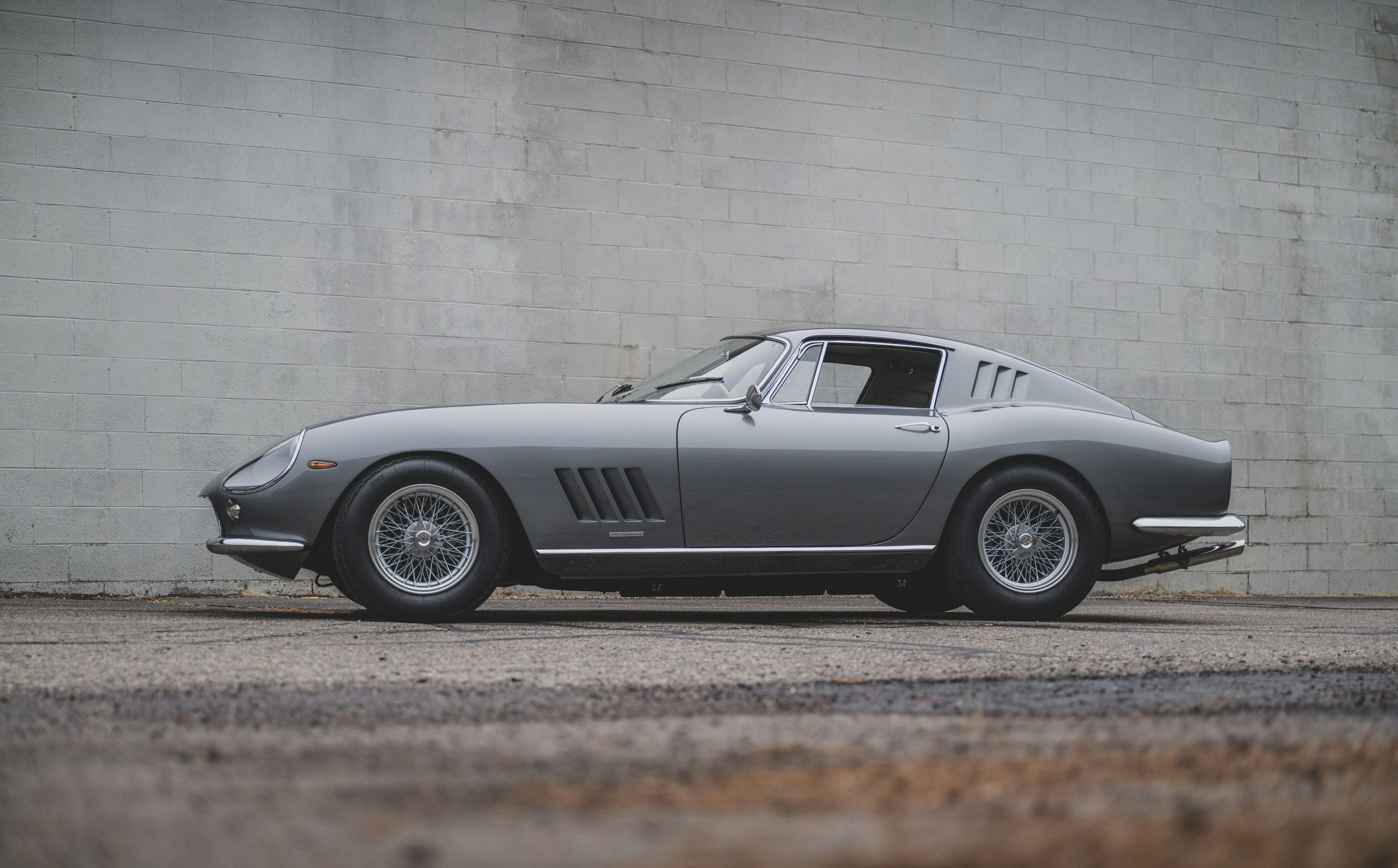
At the 1964 Paris Motor Show, the Ferrari 275 GTB arrived with two firsts for a Ferrari road car. It was the first to use a rear-mounted transaxle. It was also the first to feature fully independent suspension at all four corners. Neither technology was new to Ferrari; both had been developed through years of endurance racing. The man responsible for translating them into the road car was British racing driver Mike Parkes, drawing directly on the suspension architecture of the 250 TR and 250 LM. The result was a grand tourer with the balance of a competition car. It was as capable on a long run as it was on a circuit. Today, well-documented examples regularly trade above £1.5 million ($1.9 million USD), with exceptional cars reaching considerably further. A current RM Sotheby’s private sales listing at approximately £1.85 million ($2.35 million USD) confirms that demand for the right example remains unambiguous.
Racing Architecture, Road Car Manners
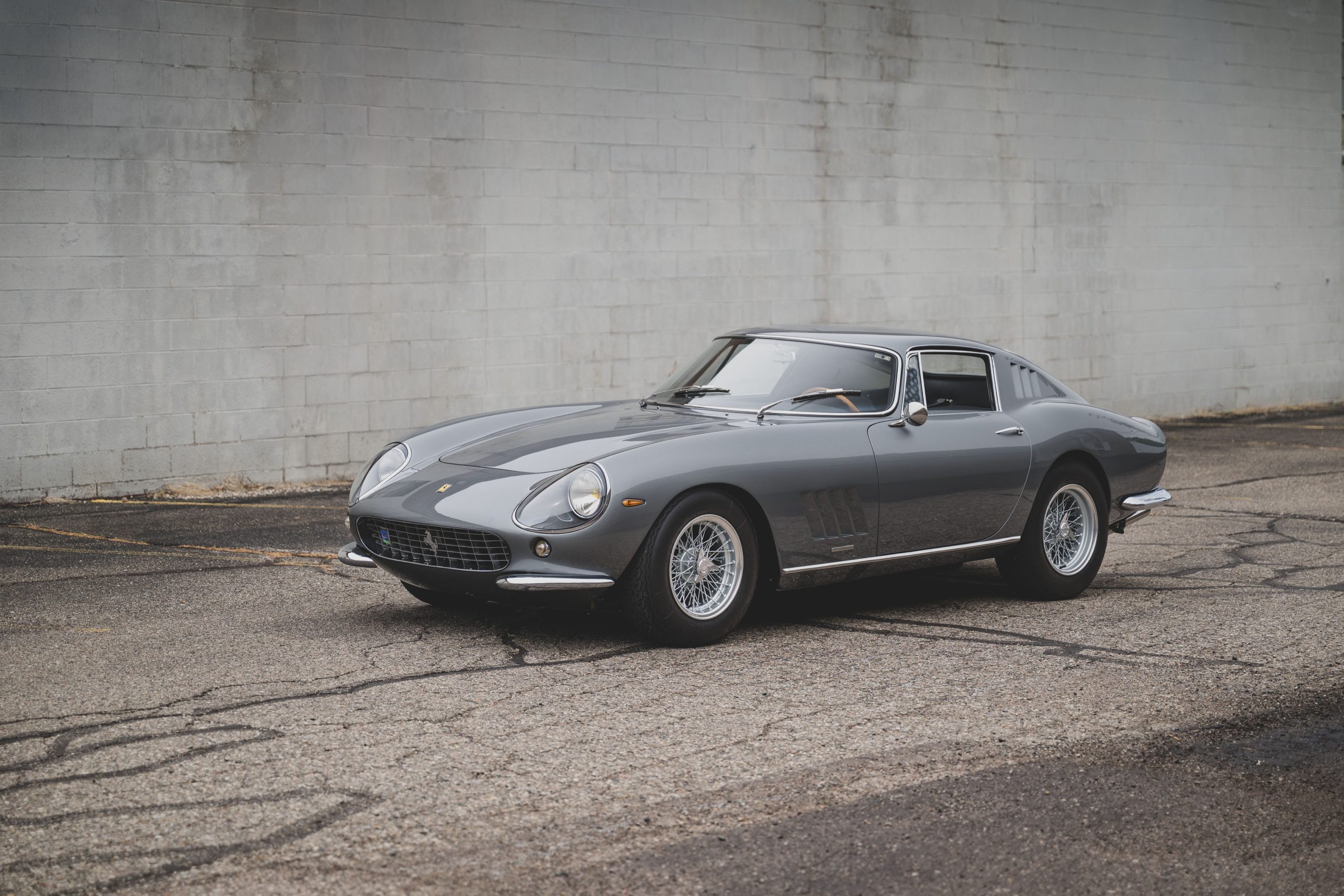
By the mid-1960s, Ferrari’s competition programme was writing the blueprint for its road cars, and the 275 GTB was the most direct result.
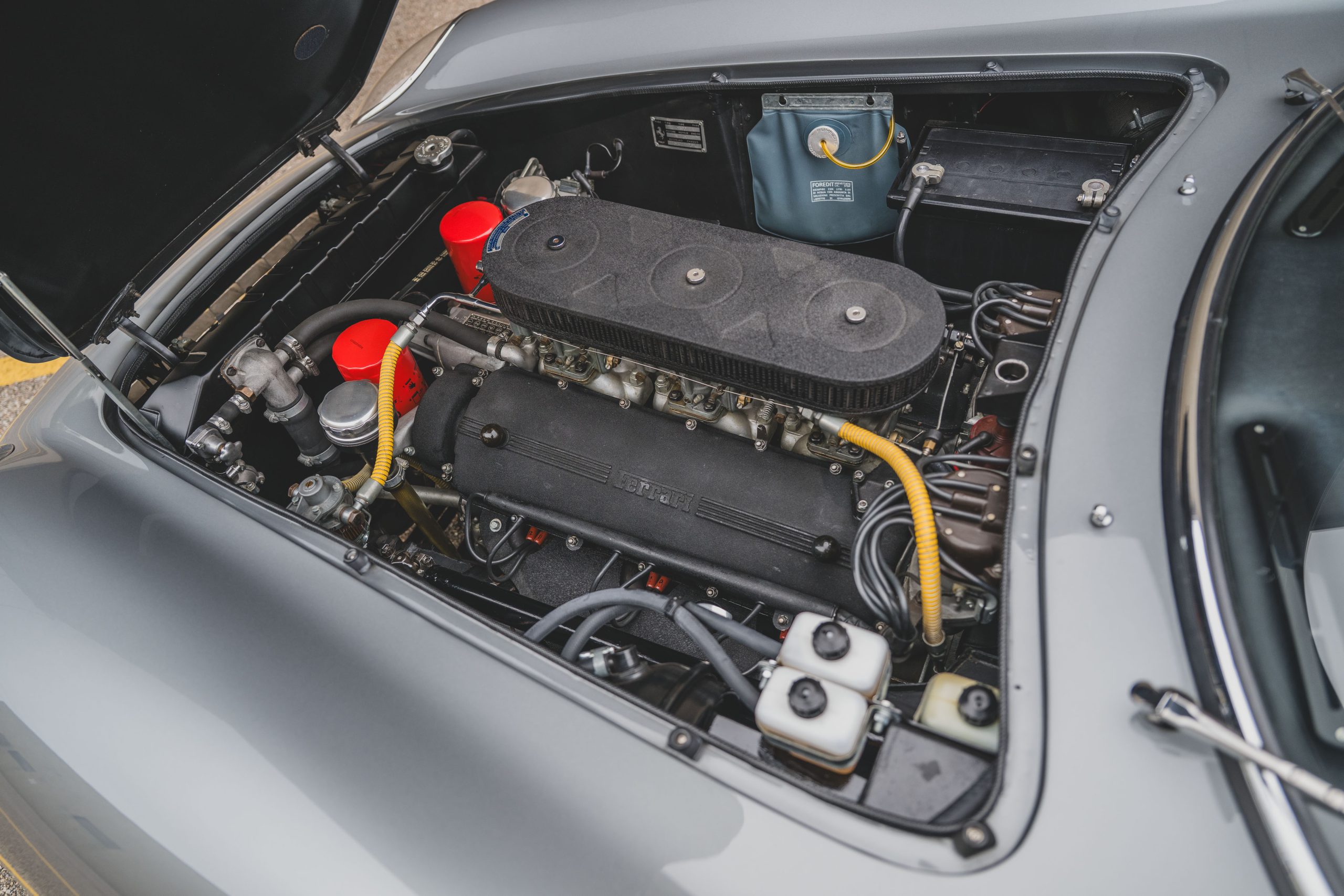
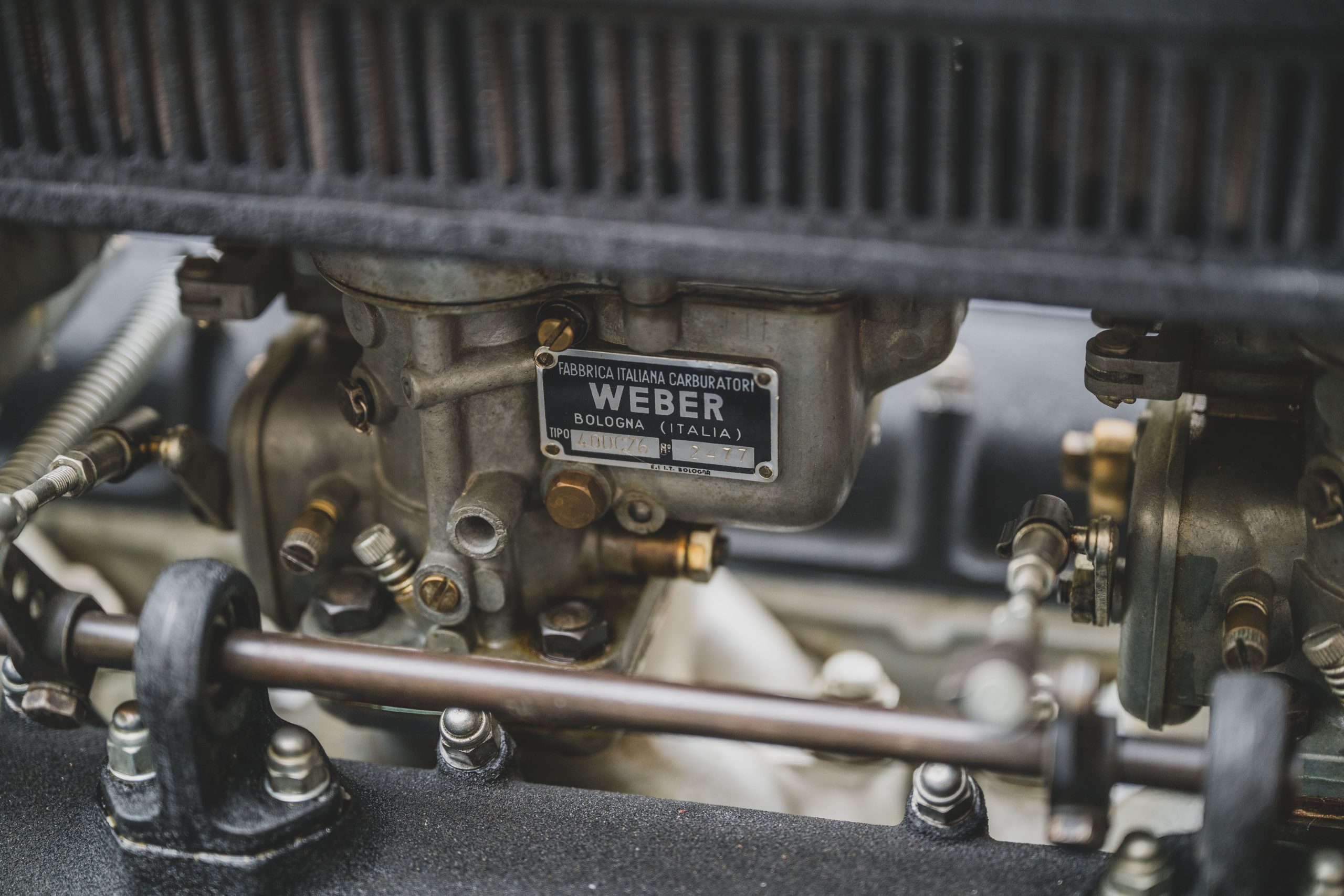
The engine is a front-mounted, 3.3-litre V12 derived from Colombo architecture. The Colombo V12 had been at the heart of Ferrari’s competition cars since the late 1940s. In road trim, it was configured with either twin or triple Weber carburettors. The triple-carburettor setup produced a more immediate throttle response and stronger top-end delivery. Triple-carb cars are among the most sought-after early examples as a result. The engine builds deliberately through the rev range, rewarding a driver who works with it rather than demands from it.
The defining departure from Ferrari’s earlier road cars was the rear-mounted transaxle. A torque tube connected it to the front-mounted engine, running the full length of the car. This arrangement shifted mass towards the rear and reduced the nose-heavy bias of earlier V12 GT Ferraris. The result is a car with genuine composure at speed. Long-distance driving becomes satisfying rather than merely exciting.
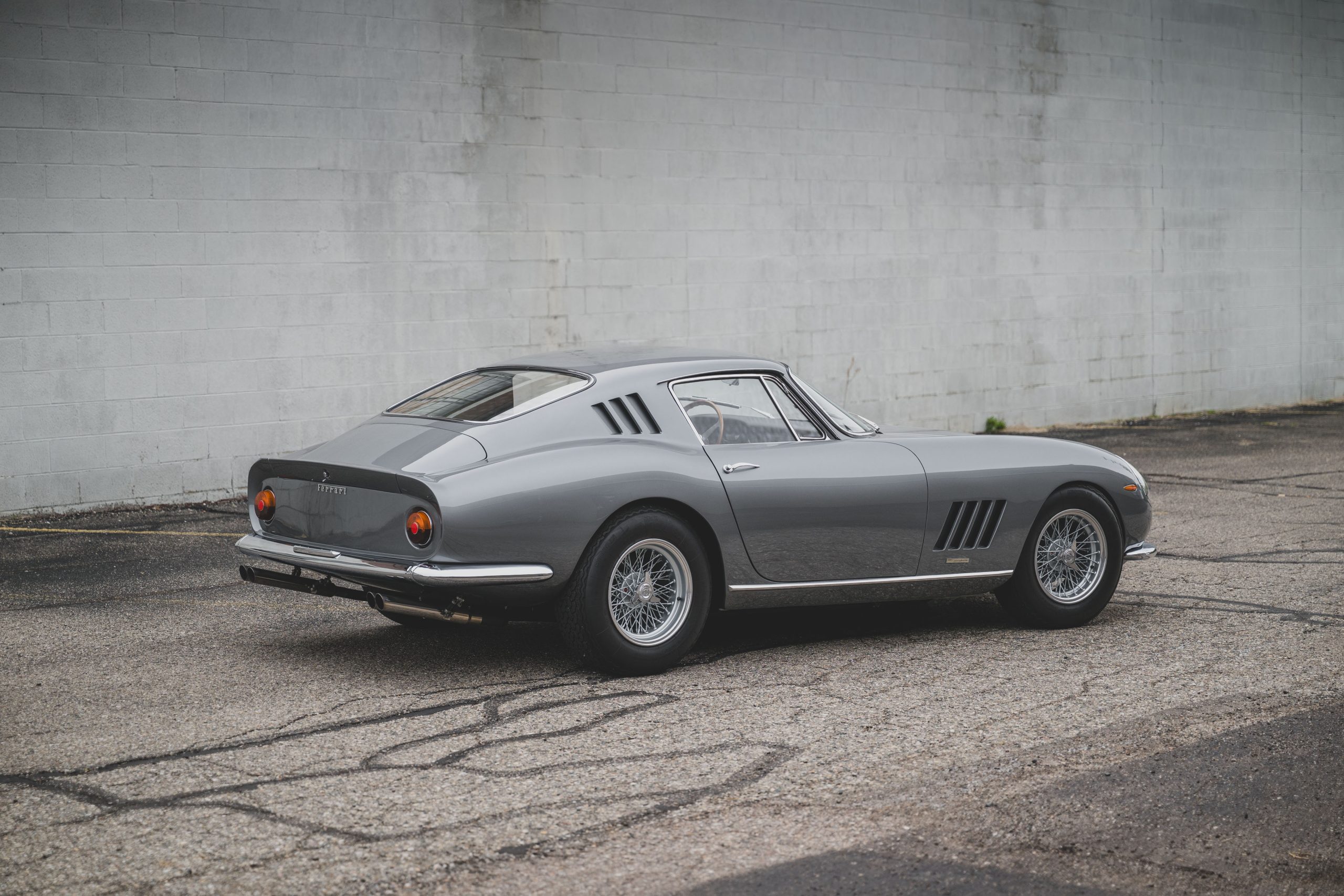
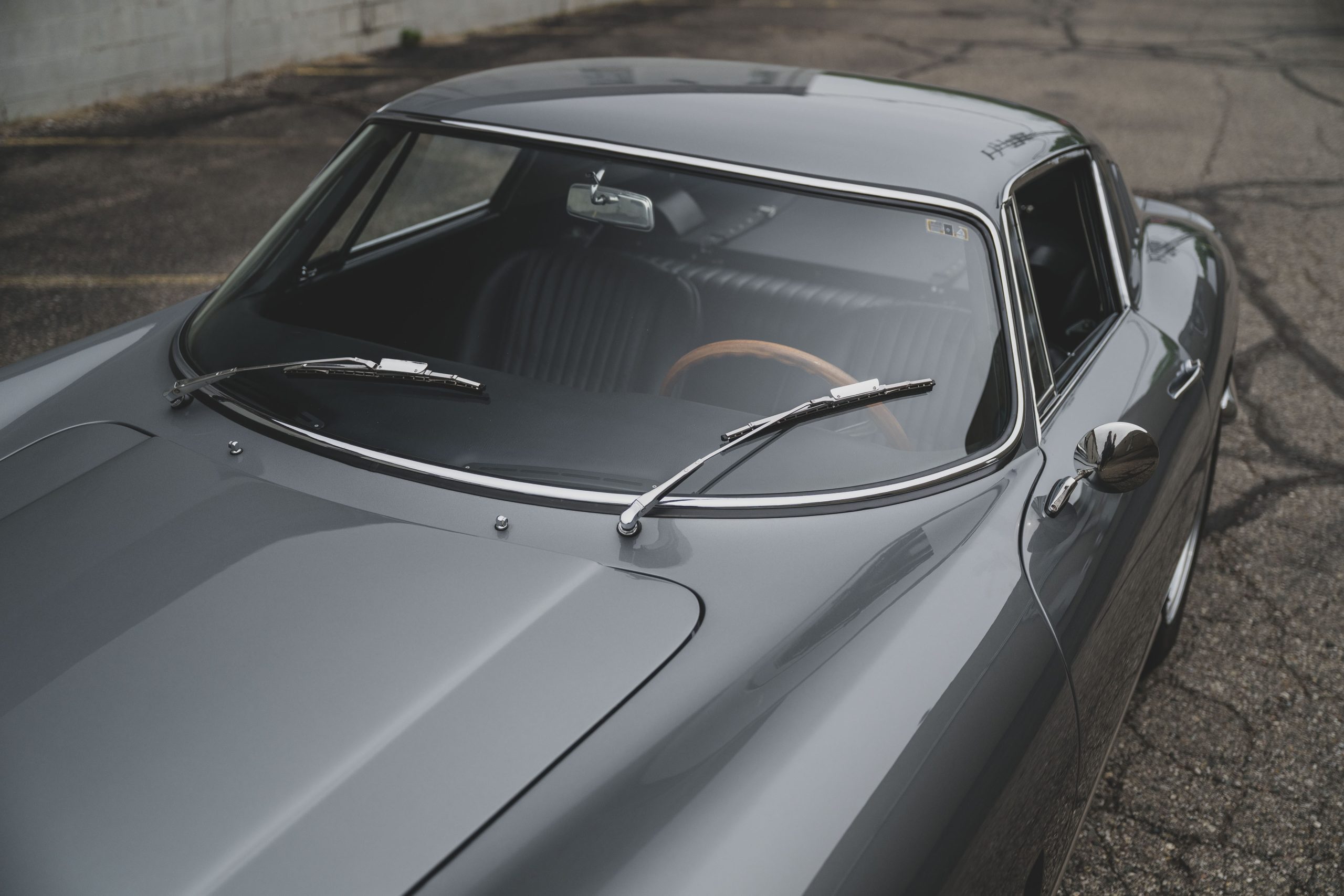
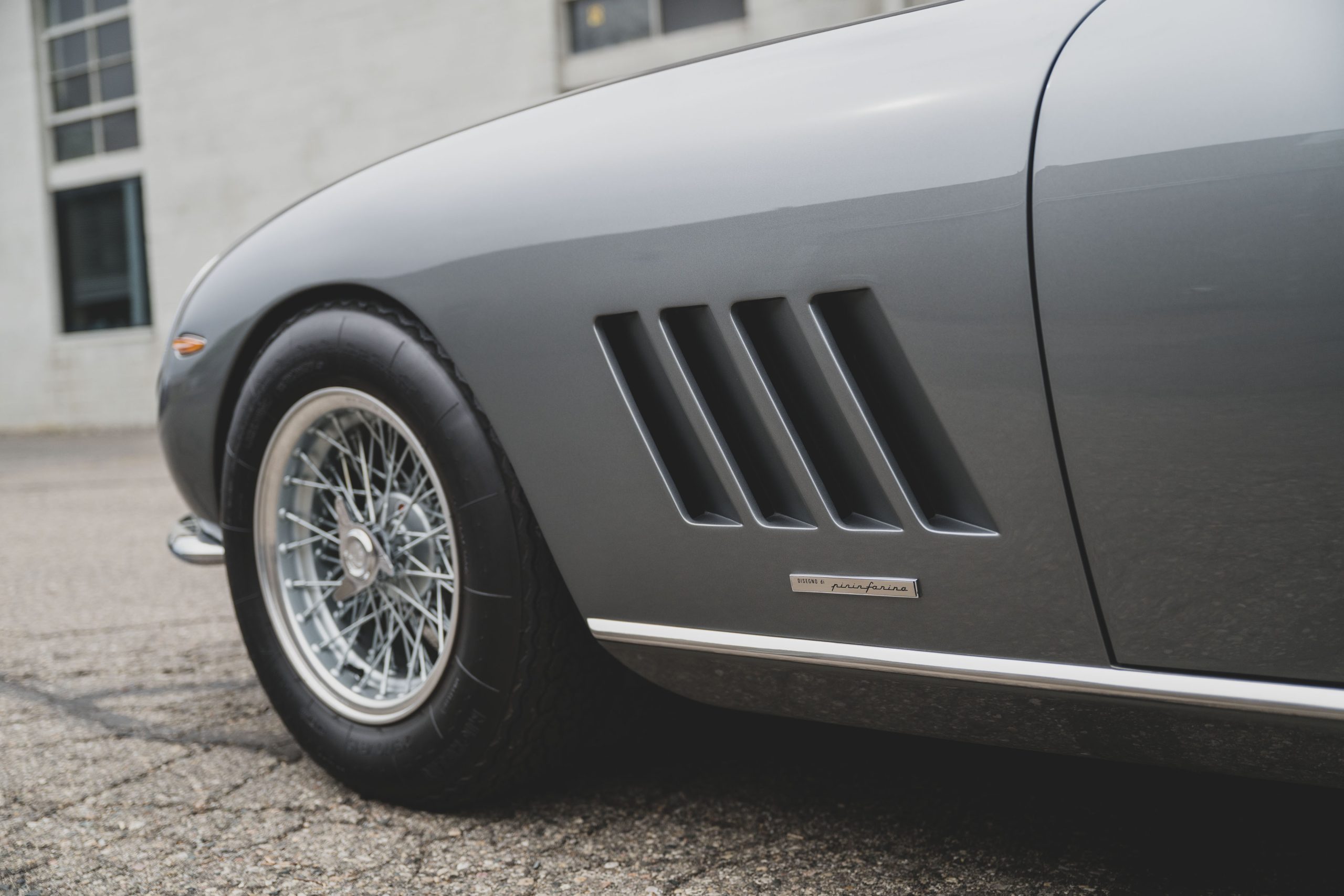
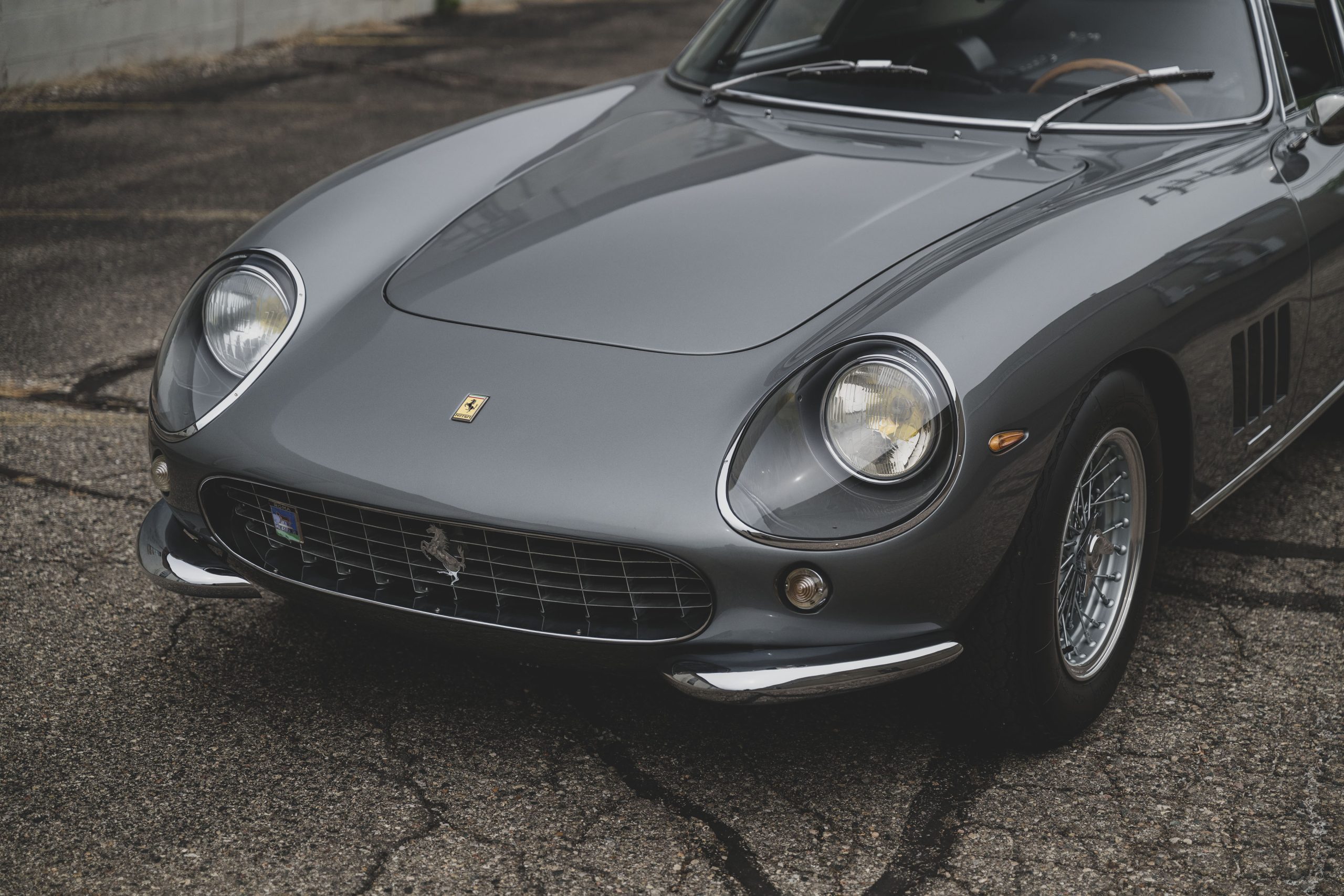
Two body variants were produced. Early cars featured a shorter front overhang, giving the nose a compact, purposeful stance. Later revisions extended the nose slightly to address aerodynamic lift, which also subtly altered the visual balance. Steel bodywork was standard throughout. Aluminium-bodied variants came in smaller numbers, primarily for competition or clients seeking a lighter car.
Independent wishbones at all four corners gave the 275 GTB handling that was exploitable on the road rather than merely impressive on paper. Coil springs and telescopic dampers completed the setup. Ferrari also offered a more sophisticated version from 1966: the 275 GTB/4. It featured twin-overhead-camshaft heads per bank and six Weber carburettors. Both variants share the same fundamental character: road cars built with the confidence of a manufacturer that understood performance.
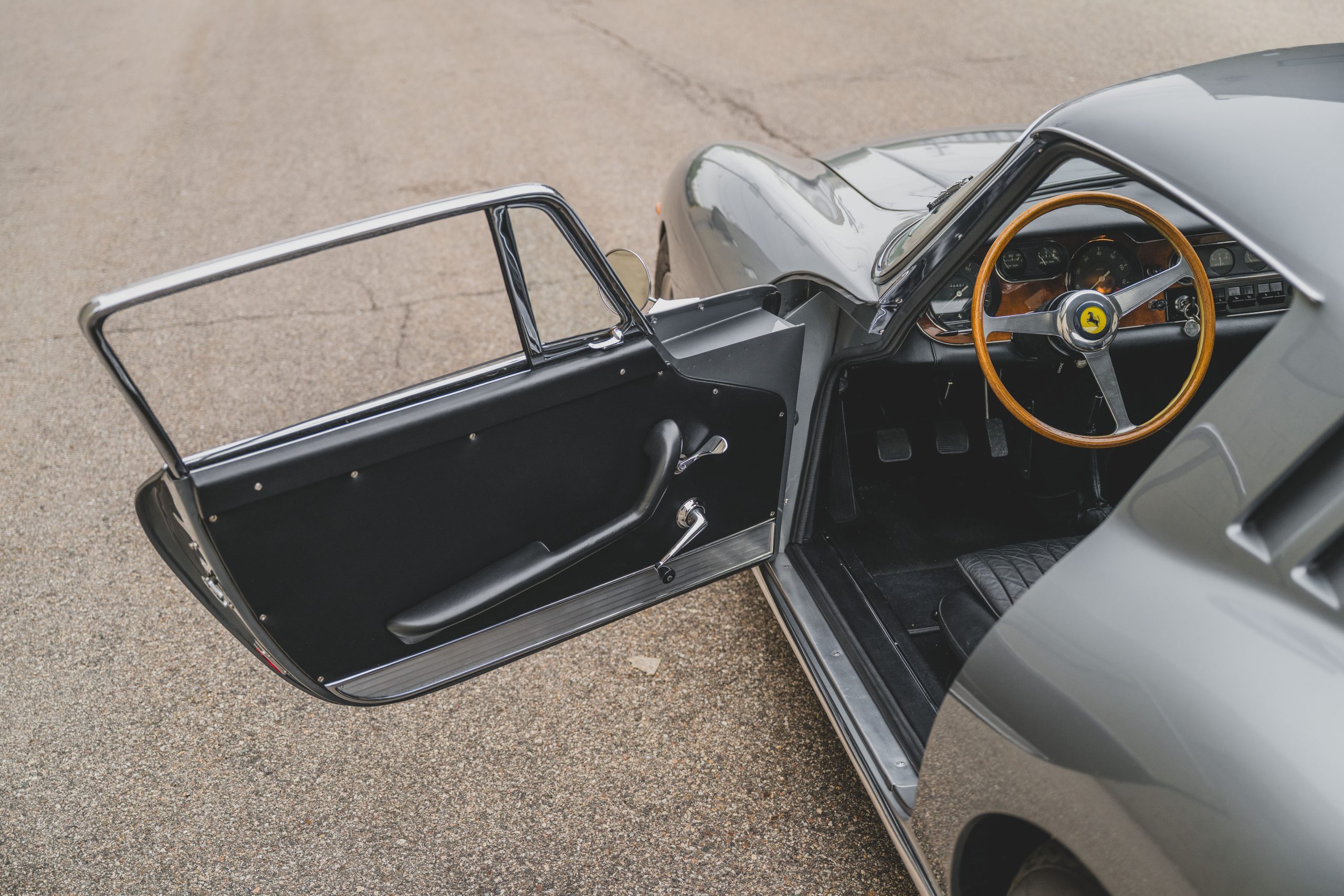
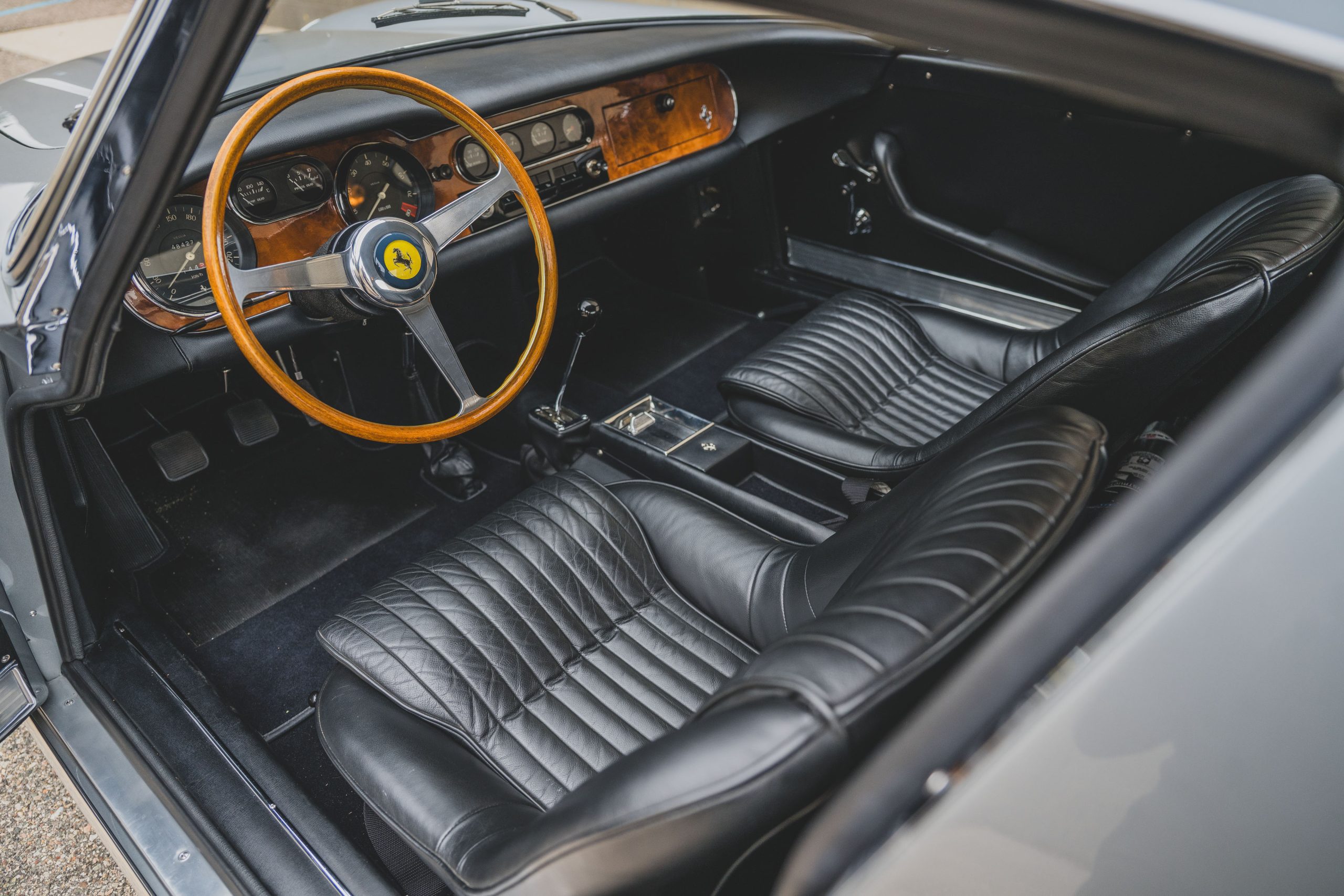
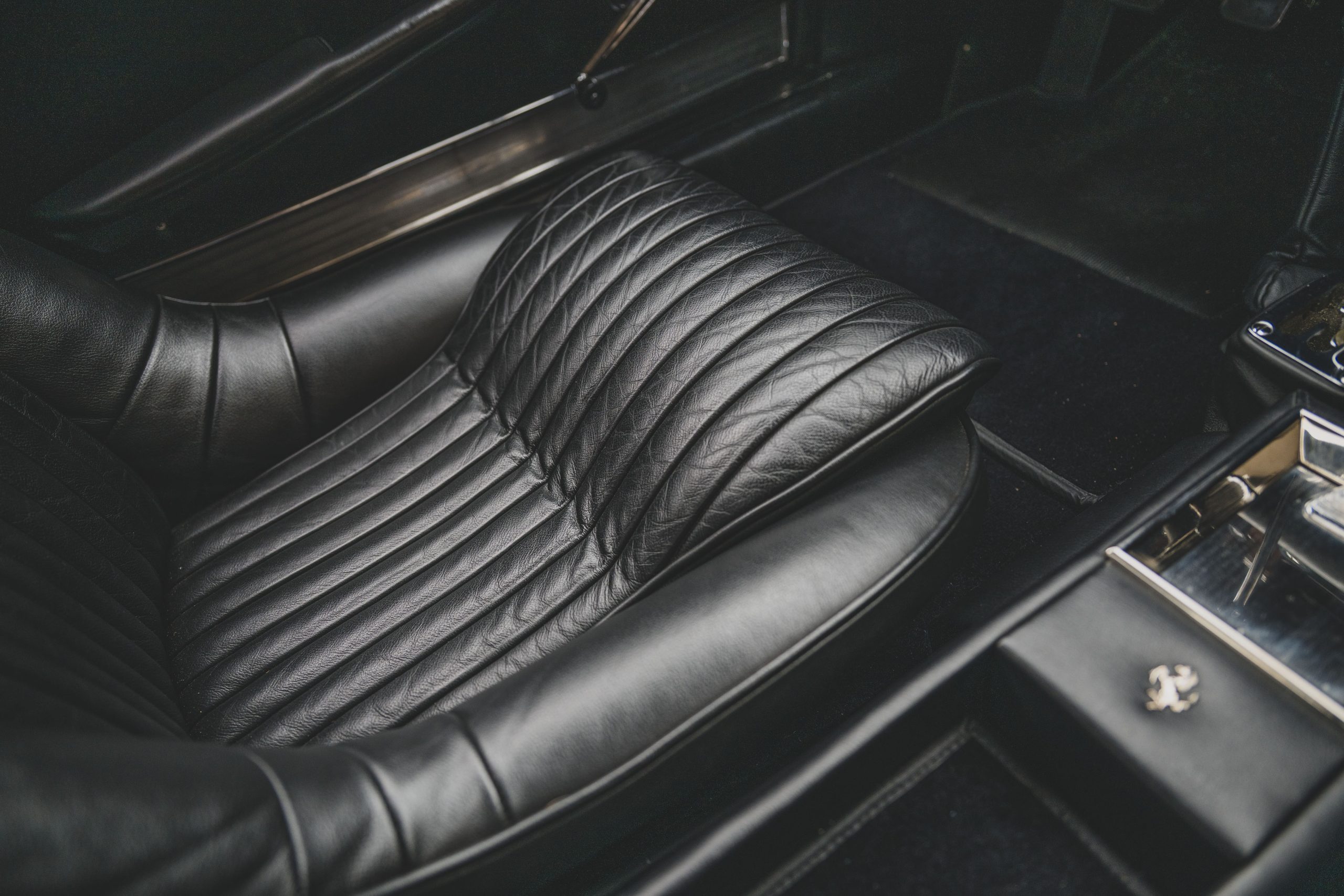
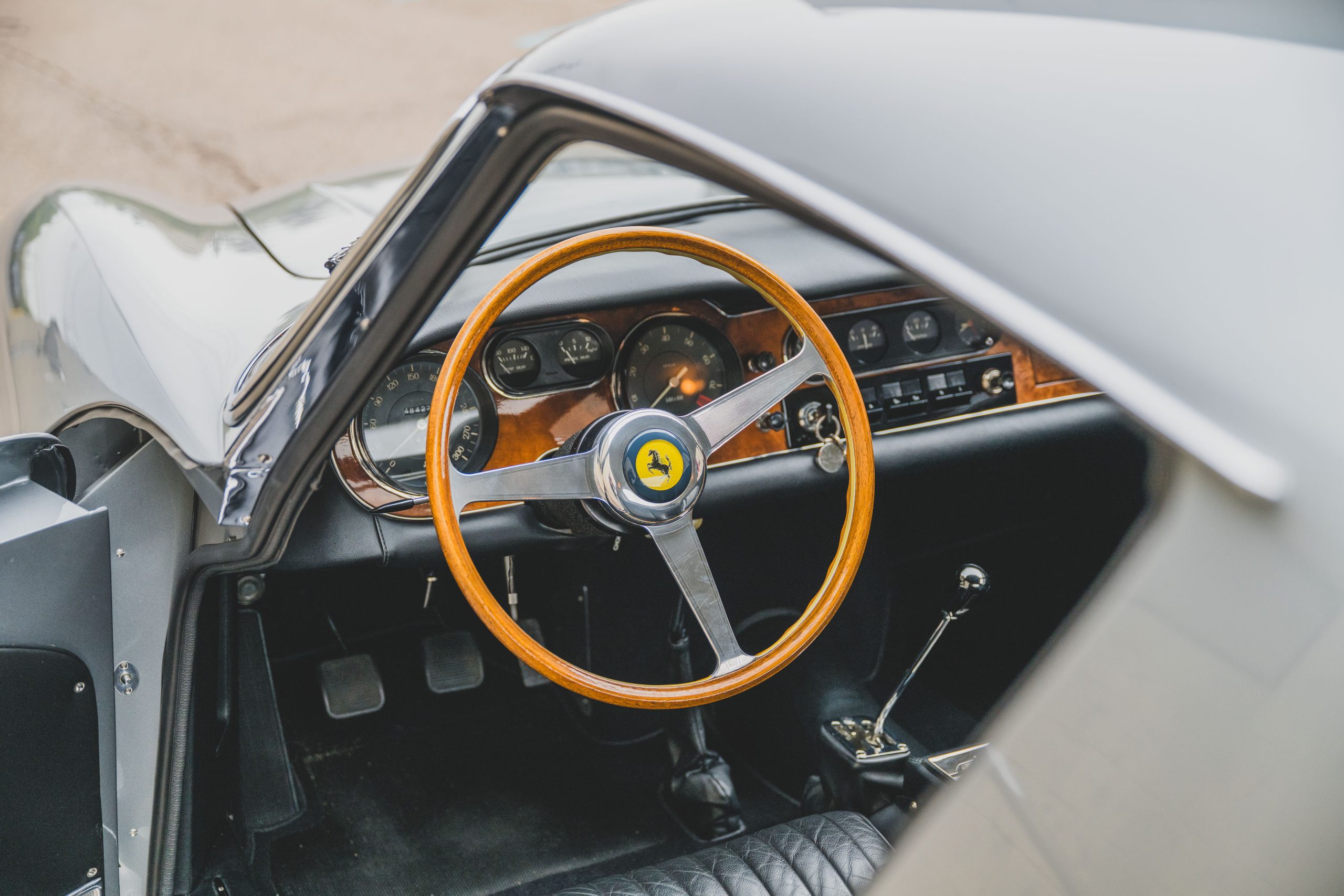
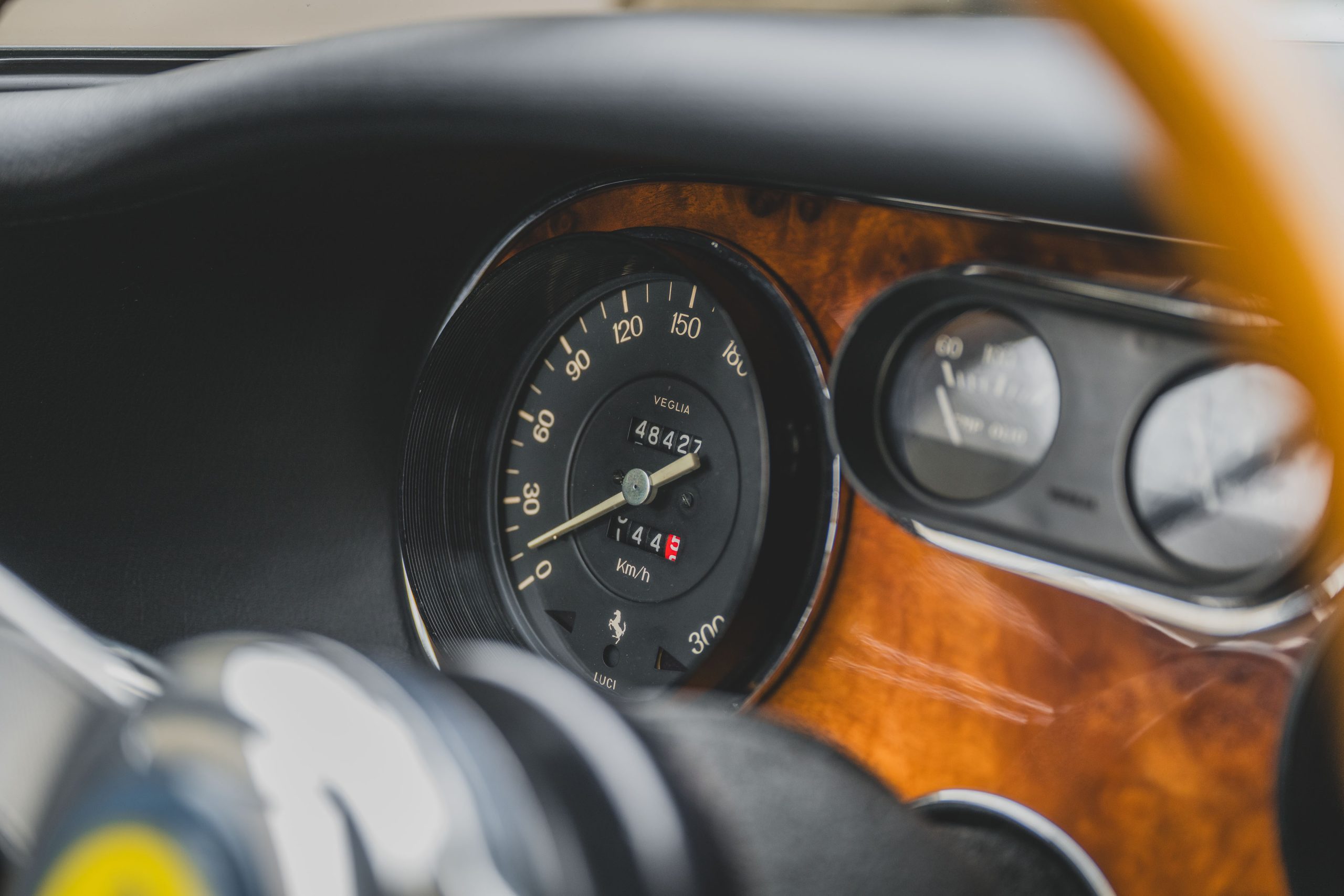
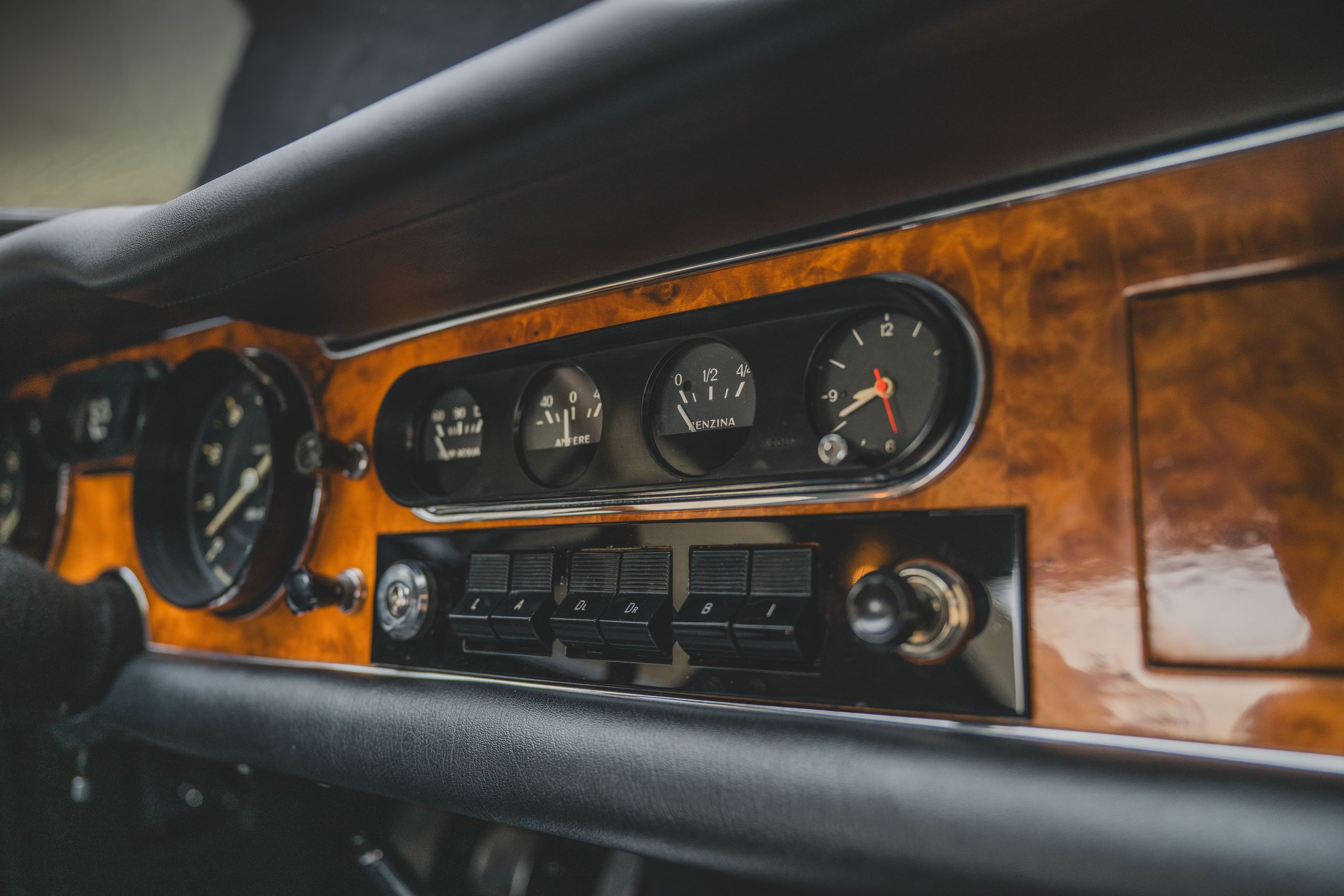
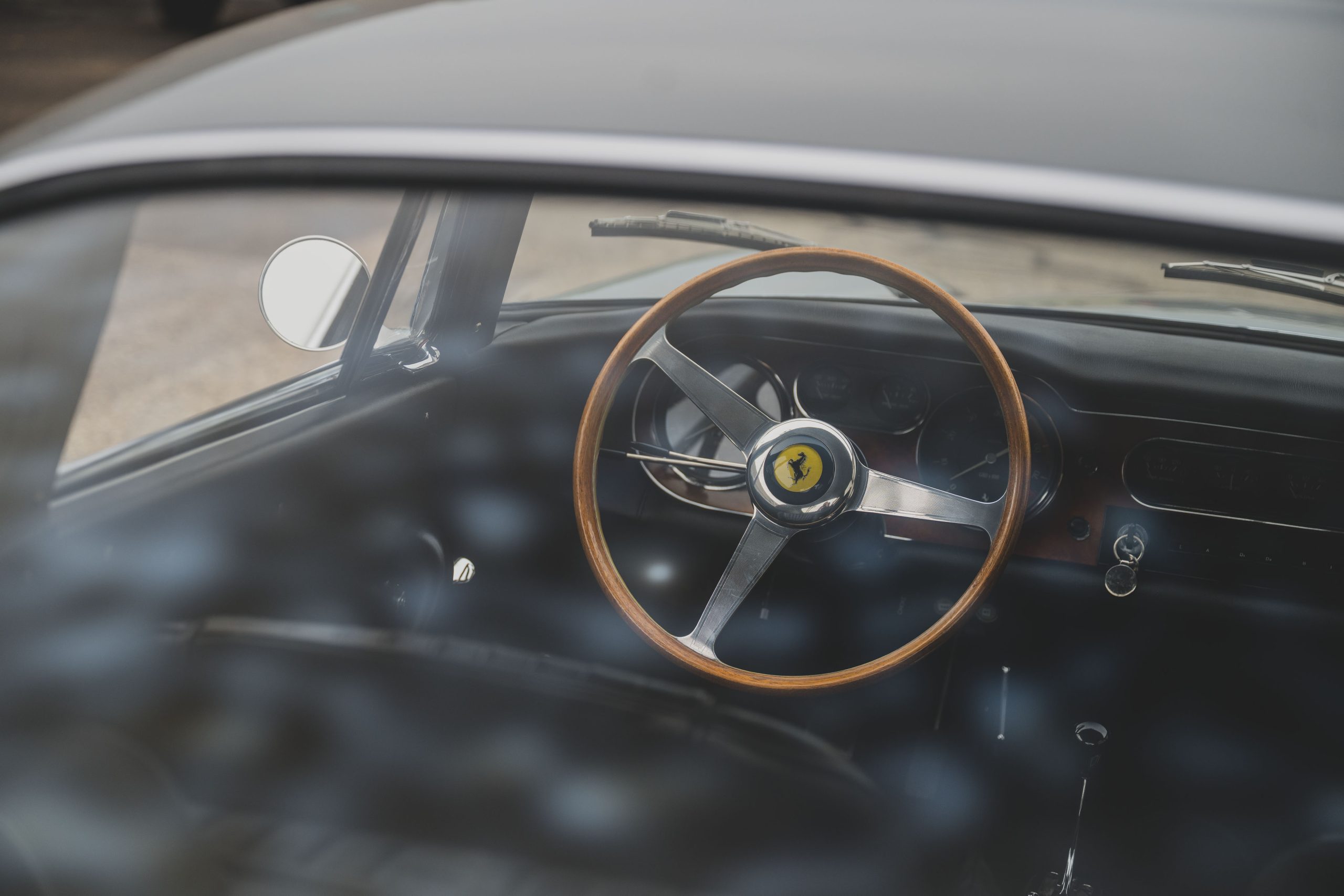
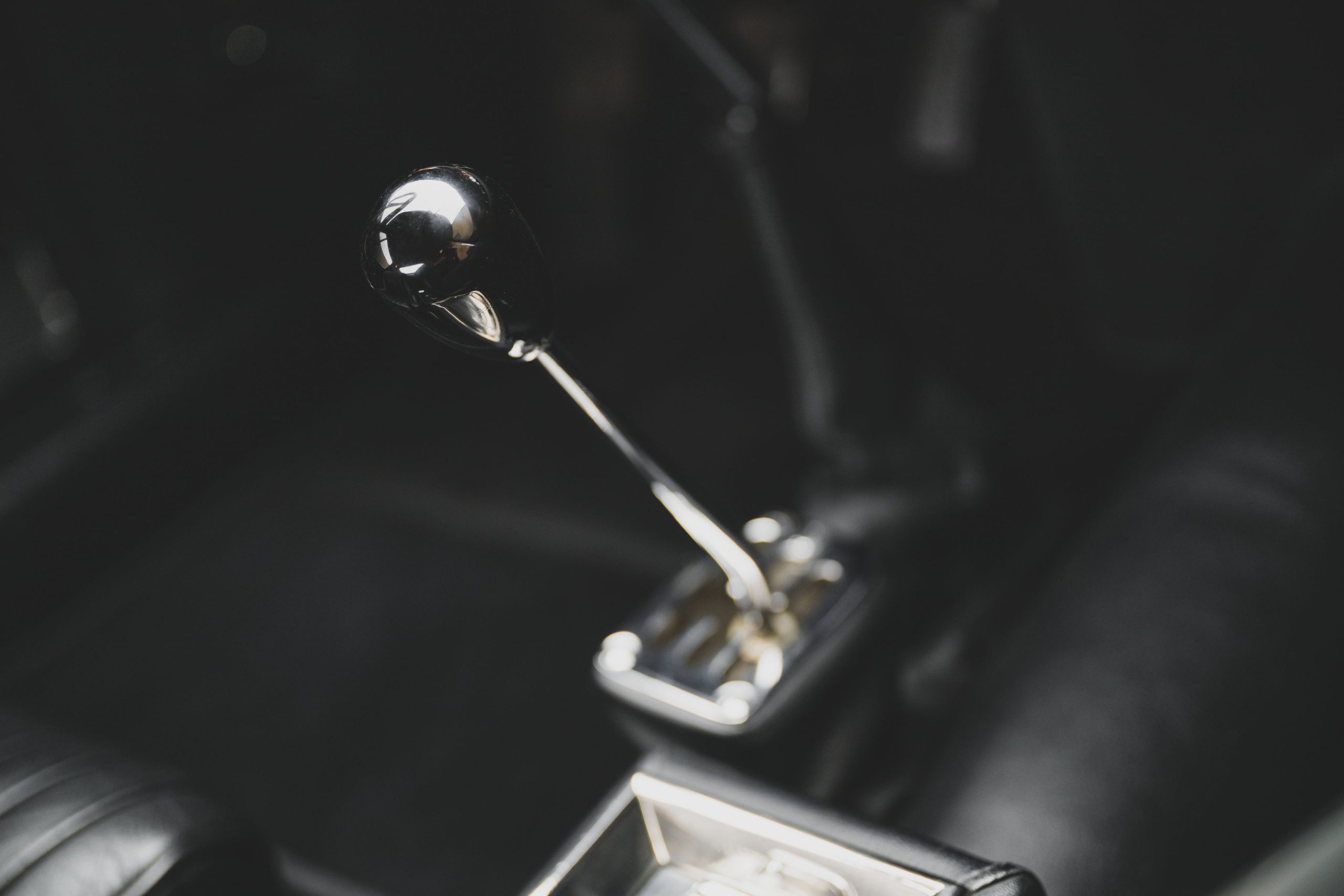
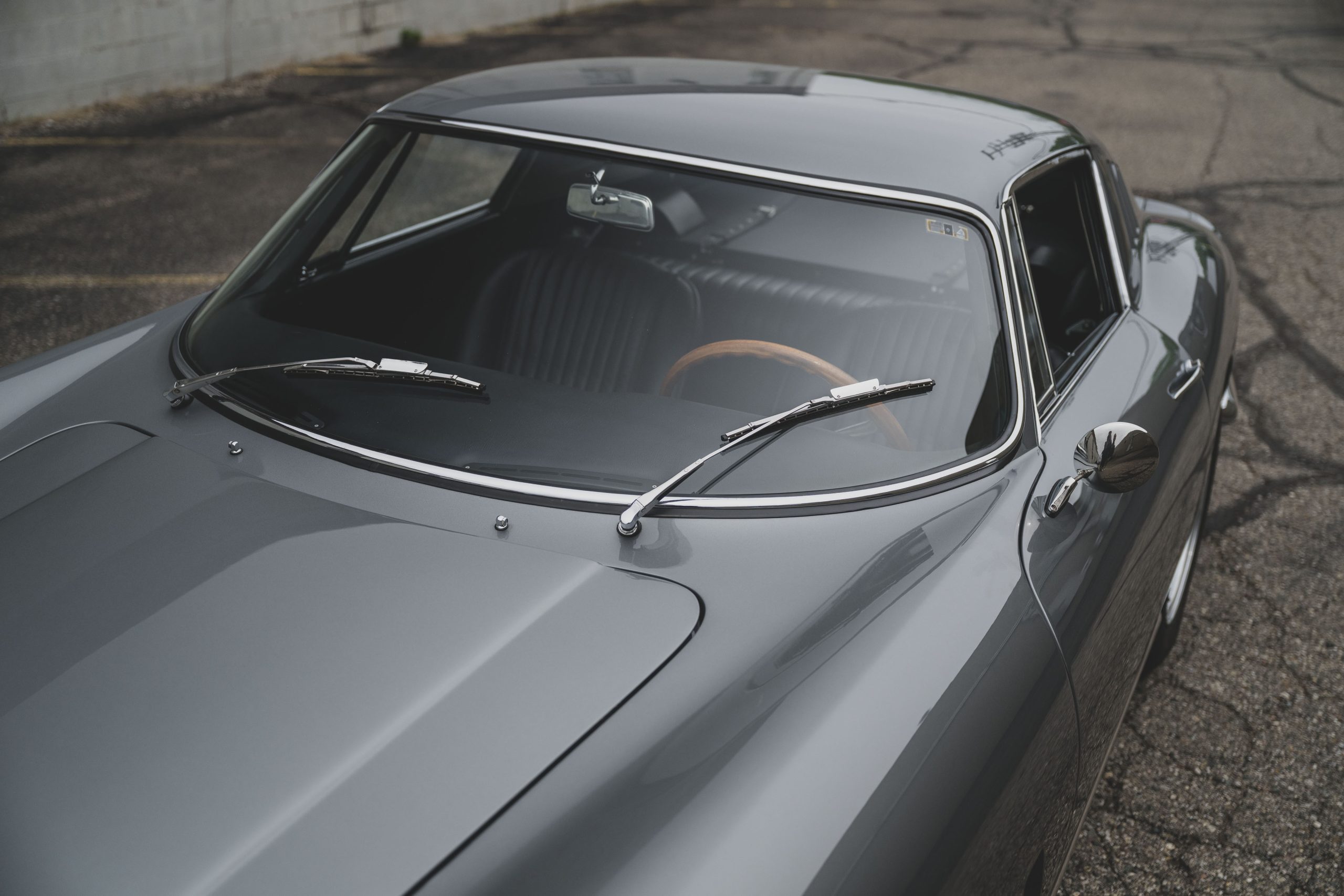
The interior balanced simplicity with quality. Leather, alloy switchgear, and a wood-rimmed steering wheel created an environment focused on driving rather than comfort. The dashboard layout is logical and uncluttered. Gauges are positioned where a driver needs them, not dictated by styling considerations. That restraint has become part of what the market now values in the car, reflecting Ferrari’s approach during this period: built by engineers who drove, for drivers who understood it.
Market Value and Investment Potential
The Ferrari 275 GTB holds a firm and active position in the investment-grade classic car market. Demand has remained consistent for well over a decade, supported by rarity and a production run that was never large enough to soften values.
In the UK and wider European market, solid two-cam examples with documented history typically begin around £1.2 million to £1.5 million ($1.52 million to $1.9 million USD). Triple-carburettor short-nose cars with Ferrari Classiche certification regularly reach £1.8 million to £2.2 million ($2.28 million to $2.79 million USD). Four-cam cars trade higher still, with the most compelling examples occasionally exceeding £3 million ($3.8 million USD) at major auction. Aluminium-bodied cars with competition history represent the top of the market.
Ferrari Classiche certification has become a significant factor in buyer confidence. The programme confirms the authenticity of chassis, engine, and bodywork. Its presence meaningfully improves liquidity for buyers focused on long-term value. Cars without certification are not unsellable, but they require additional due diligence and typically trade at a discount.
The current RM Sotheby’s private sales example makes the point clearly. Chassis 06741, a 1965 short-nose car with Ferrari Classiche certification, carries an Elektron Tipo 563 transaxle, a magnesium-cased unit associated with Ferrari’s competition programme. The drivetrain has been updated with CV joints in place of the original solid prop shaft, making it more suitable for serious long-distance use.
The market is not without risk. Liquidity can narrow during periods of wider economic uncertainty, and inflation, interest rate cycles, and shifting collector demographics all play a role. Cars with undisclosed gearbox changes, unclear restoration work, or disputed provenance can be difficult to move at full value. Independent pre-purchase inspections by marque specialists are strongly advisable. Restoration quality varies considerably, and a cosmetic rebuild is not the same as a sympathetic one.
The collector base is broad, spanning the UK, continental Europe, the United States, the Middle East, and Asia. That geographic spread means the market rarely depends on sentiment in any single region. Examples with sympathetic mechanical updates have also found a ready audience among buyers who intend to use what they own.
Looking Ahead
The 275 GTB occupies a position that few cars of any era can claim: a road car with genuine competition DNA, a self-regulating market, and a collector base that spans continents. Values reflect genuine demand rather than manufactured scarcity. As more cars move into long-term private collections, well-presented examples that do come to market will attract significant attention. The 275 GTB does not need a limited edition narrative to justify what it is.
Continue Reading on Ferrari: Ferrari F40 | Ferrari 250 GT SWB Berlinetta| Ferrari Enzo | Ferrari F50