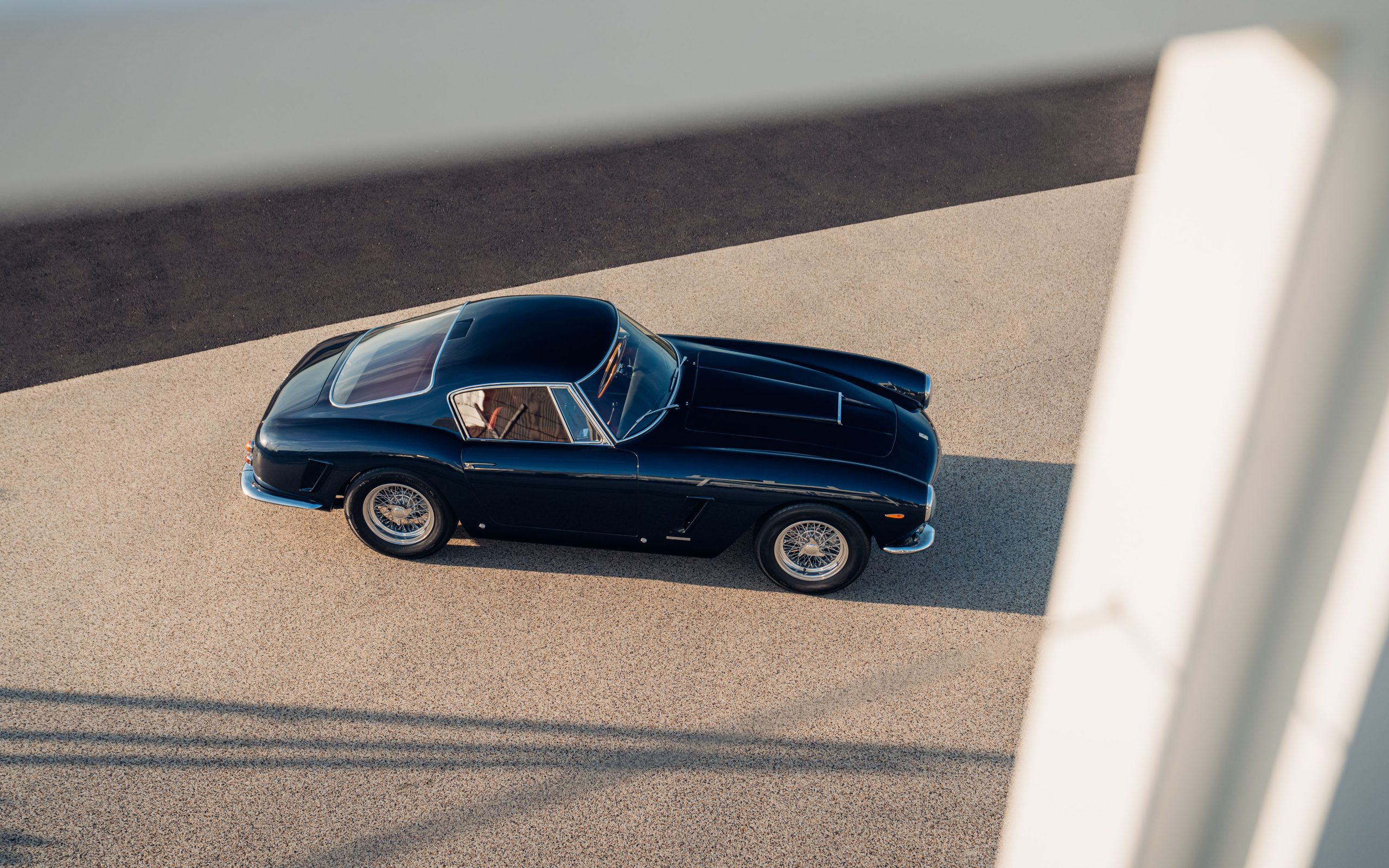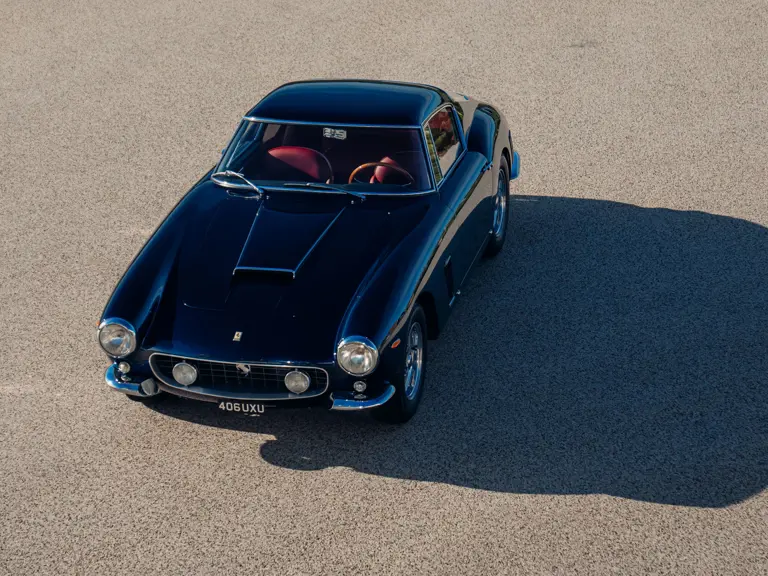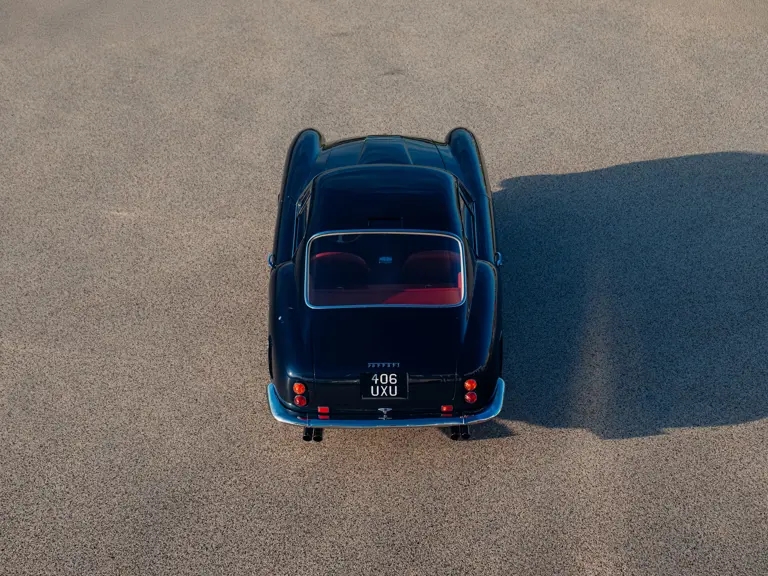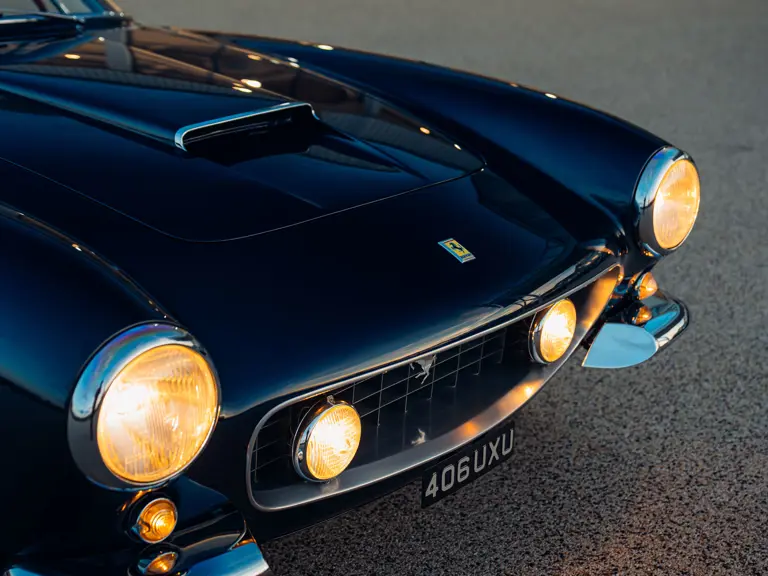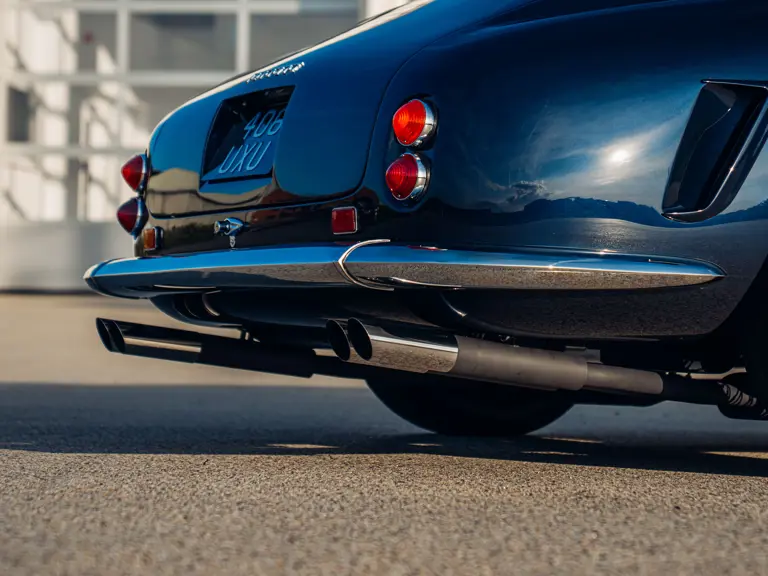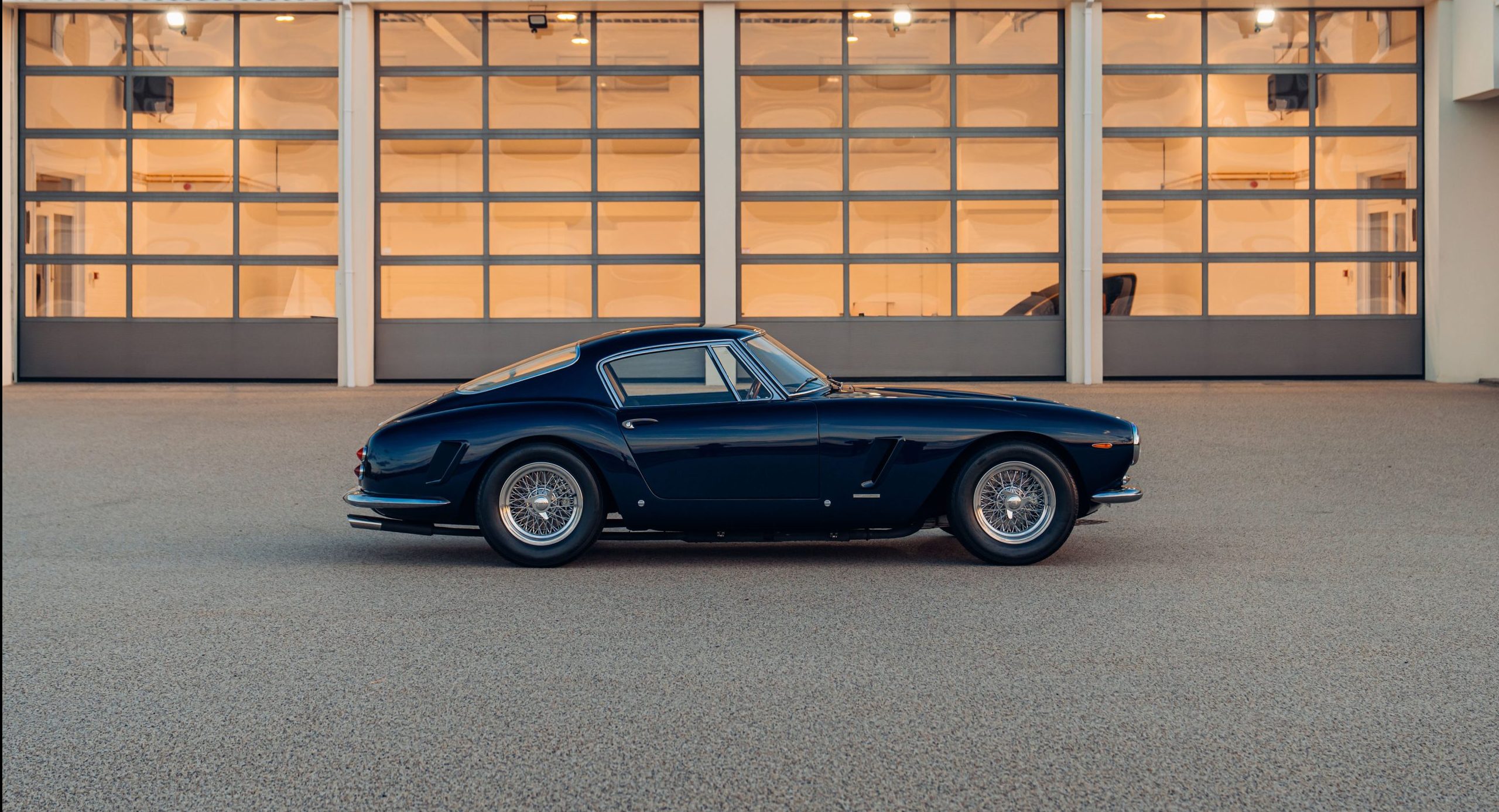
In 1959, Ferrari shortened the 250 GT Tour de France’s wheelbase by 200 millimetres. The decision seemed straightforward enough—sharpen the handling, keep the V12—but what emerged was something far more significant. The 250 GT Short Wheelbase Berlinetta, or Passo Corto to collectors, became one of those rare machines that refused to compromise. It delivered genuine racing pace without sacrificing road manners, wrapped in Pininfarina bodywork that still looks right today. Just 165 examples left Maranello between 1959 and 1962, making each survivor a direct connection to Ferrari’s most productive period. Among them, chassis 3367 GT—currently offered through RM Sotheby’s private sales—shows what happens when restoration, provenance, and mechanical integrity align across six decades.
Most early-1960s sports cars forced choices. Performance meant discomfort. Refinement meant weight. The SWB delivered both—and then added disc brakes on all four corners, a production first for Ferrari.
Engineering Legacy
The SWB’s development followed logic rather than revolution. Ferrari’s engineers took proven components—the 3.0-litre V12 borrowed from the 250 Testa Rossa, a four-speed gearbox, independent front suspension—and refined them through geometry. Shortening the chassis sharpened turn-in response without sacrificing stability. Coachbuilder Scaglietti wrapped the mechanicals in aluminium and steel panels drawn by Pininfarina’s studios.
Two specifications emerged: the stripped-back Competizione for racing teams, and the more civilised Lusso variant tuned for grand touring. The latter attracted buyers seeking both pace and polish—owners who wanted V12 performance without trailer logistics. Of the 165 SWBs built, 90 received steel bodies rather than aluminium, with 77 of these finished in left-hand drive. These steel-bodied examples became the definitive road-going supercars of their era.
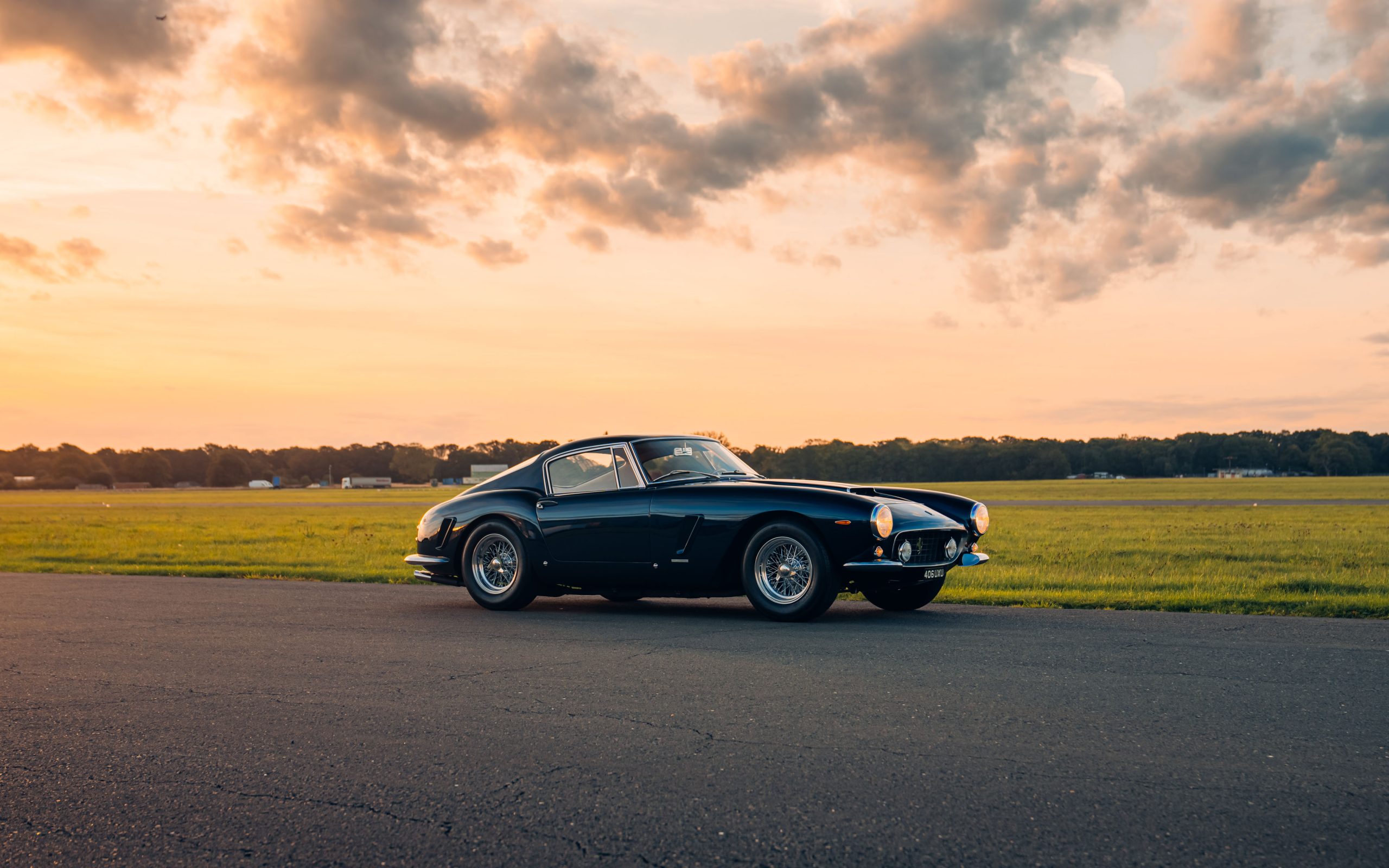
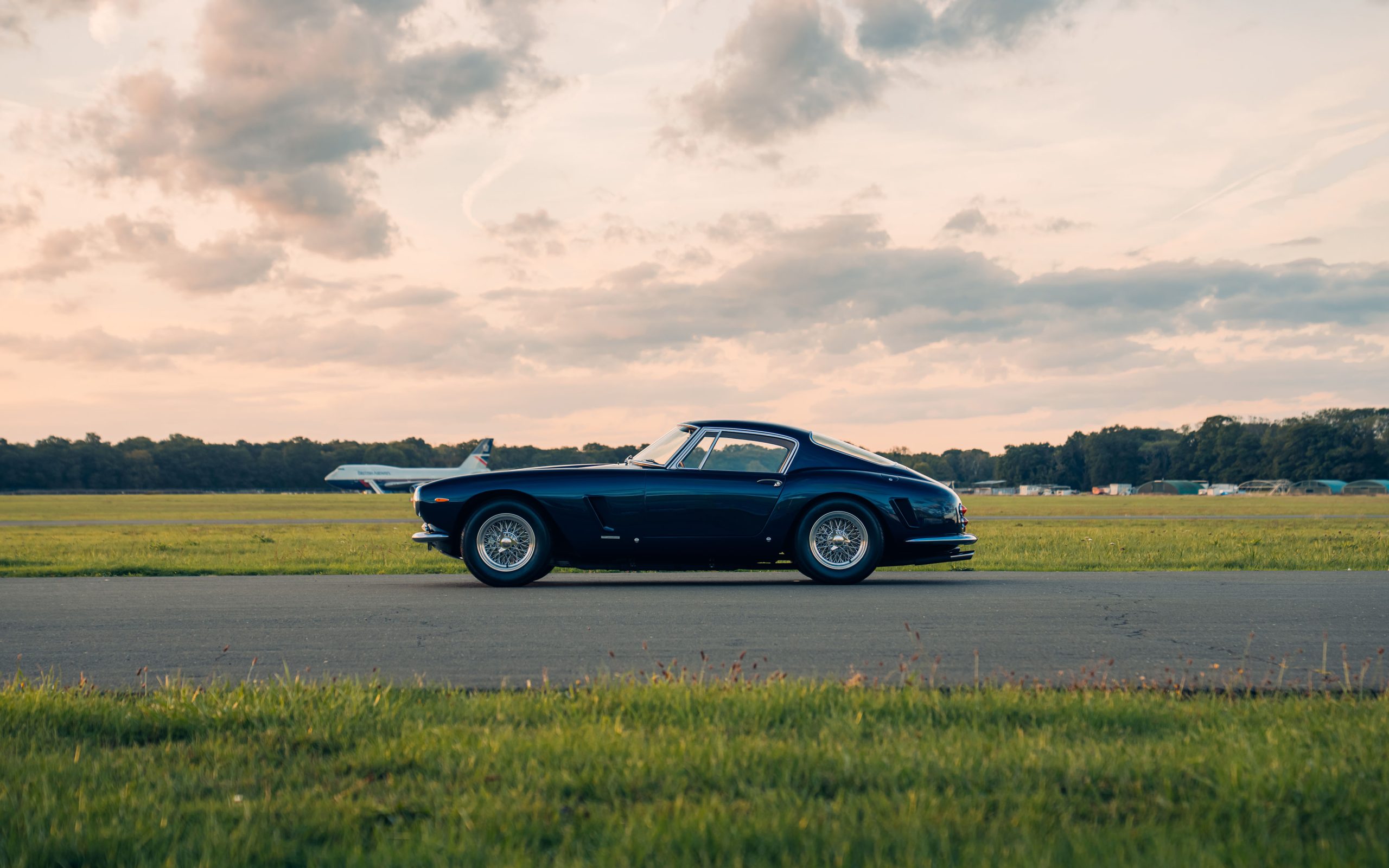
Chassis 3367 GT, completed in spring 1962, belonged squarely in this camp. Delivered new through Martinelli & Sonvico in Lugano, Switzerland, it wore an unusual Bianco Polo Park over Rosso leather configuration—according to records, the only steel-bodied SWB delivered new in this colour combination. As a late-production Series 2 car, it featured the horizontal roof vent, wider radiator grille, and reprofiled rear wheel arches that differentiated later examples.
The car’s construction shows Ferrari’s approach during this period: steel body with aluminium bonnet, doors, and boot lid to save weight where possible. The Tipo 168 V12’s character came not from raw output—around 280 horsepower—but from elastic, linear power delivery. This was hand-built machinery where tolerances mattered, where components were fitted rather than assembled.
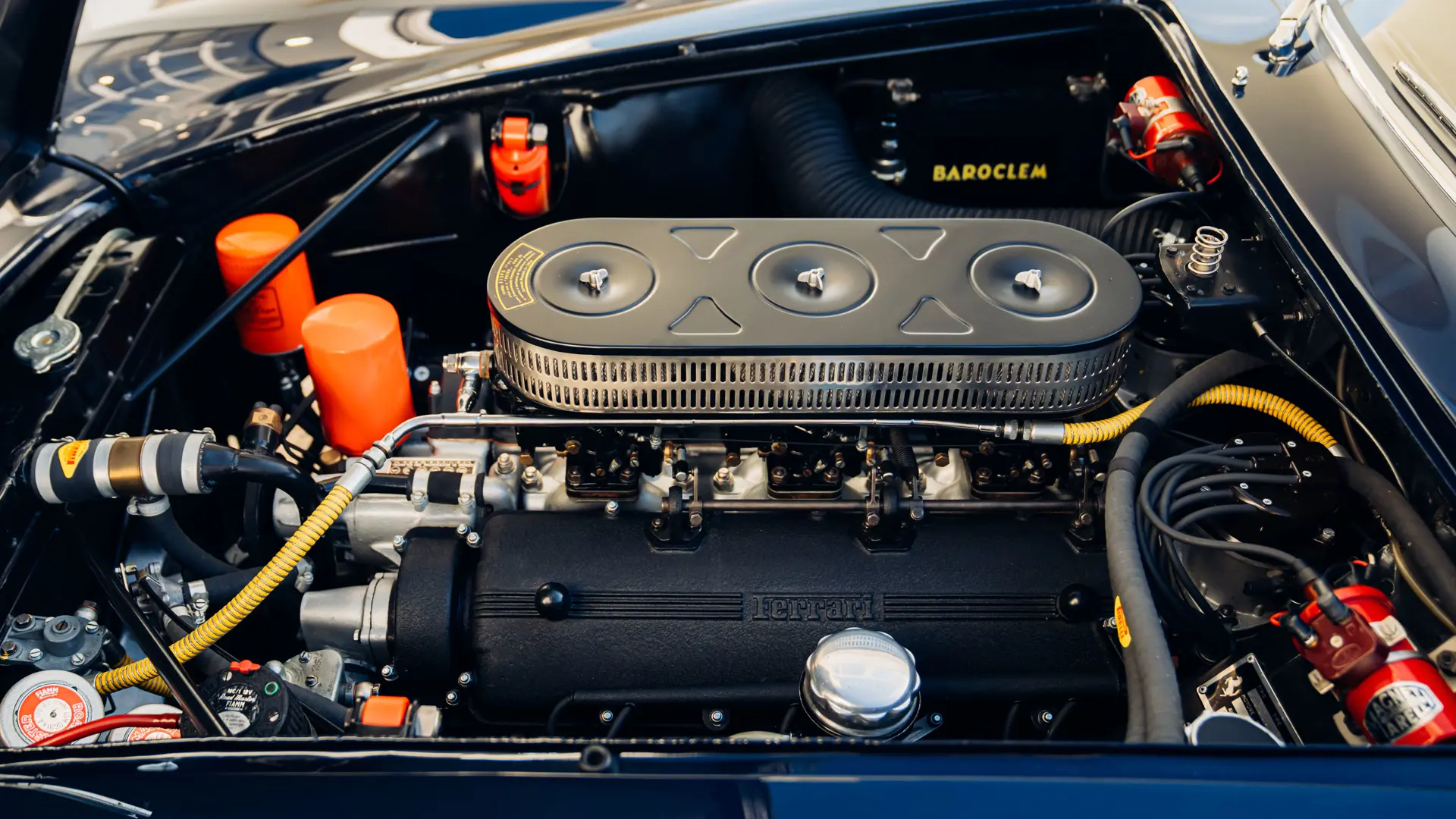
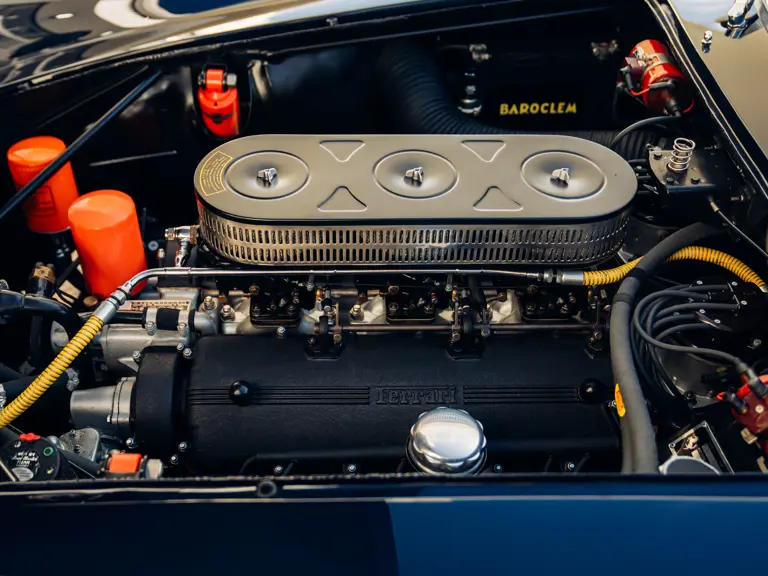
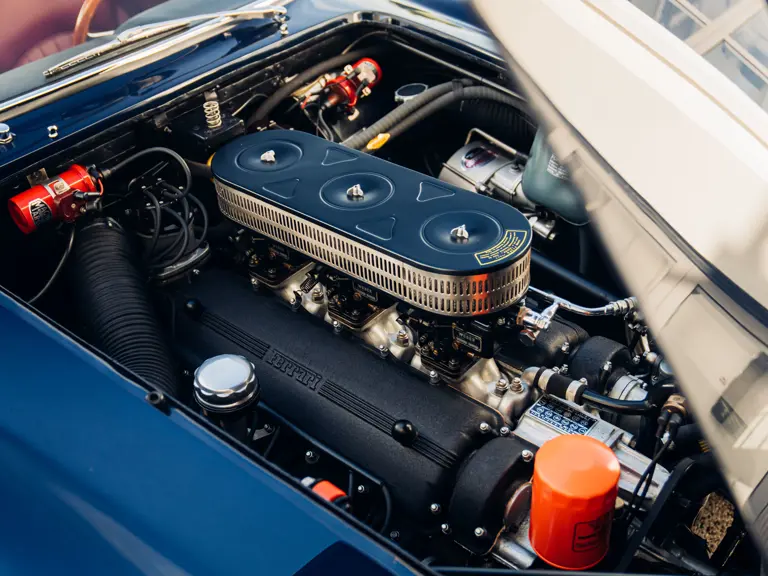
This particular example was completed in March 1962 and first registered as TI 16300 in Lugano. The car clearly saw use—when it returned to Ferrari Assistenza Clienti for service in September 1963, the odometer showed 25,676 kilometres.
Over subsequent decades, 3367 GT evolved through careful ownership. In 1973, it passed to London-based Ferrari enthusiast Peter Sugden, who would keep it for 34 years. As director of Modena Engineering Limited—then among Britain’s foremost Ferrari specialists—Sugden gradually transformed the car into sporting specification. Period racing modifications appeared: flared wheel arches, brake cooling ducts, a more aggressive stance. The car competed in historic events throughout the 1980s and 1990s, including four appearances in the Historic Tour de France Automobile between 1992 and 1997.
Restoration and Current Specification
Chassis 3367 GT’s most significant transformation came under its current ownership, which began in 2012. A comprehensive restoration by UK specialists Barkaways and Riverside Performance Engineering returned every component—engine, suspension, gearbox, rear axle—to factory specification. Over £350,000 ($440,000) in documented work forms part of this car’s accompanying receipts, with an additional £50,000 ($63,000) spent on final mechanical refinements and a 2024 respray by Ross Packard Paintwork.
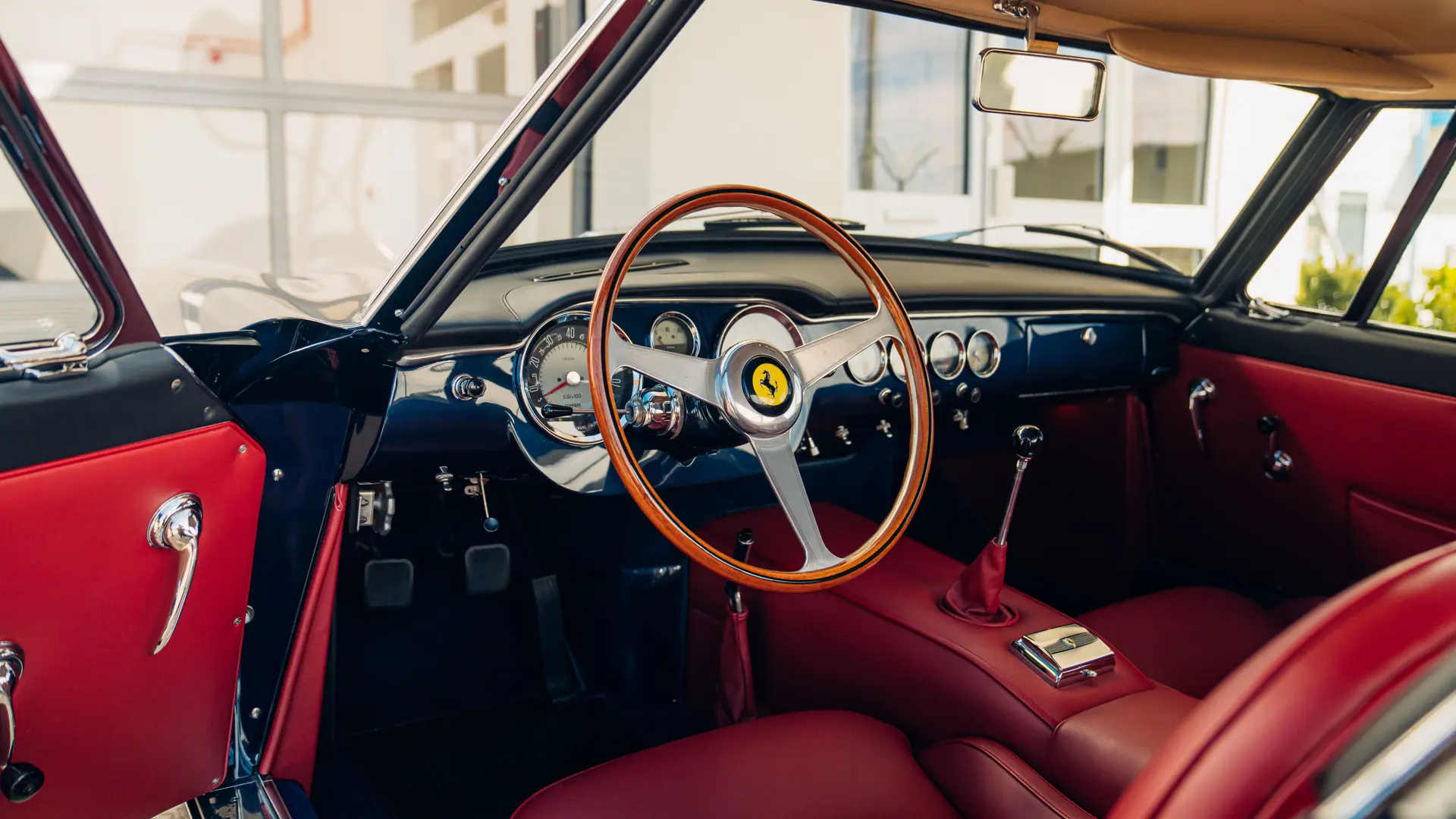
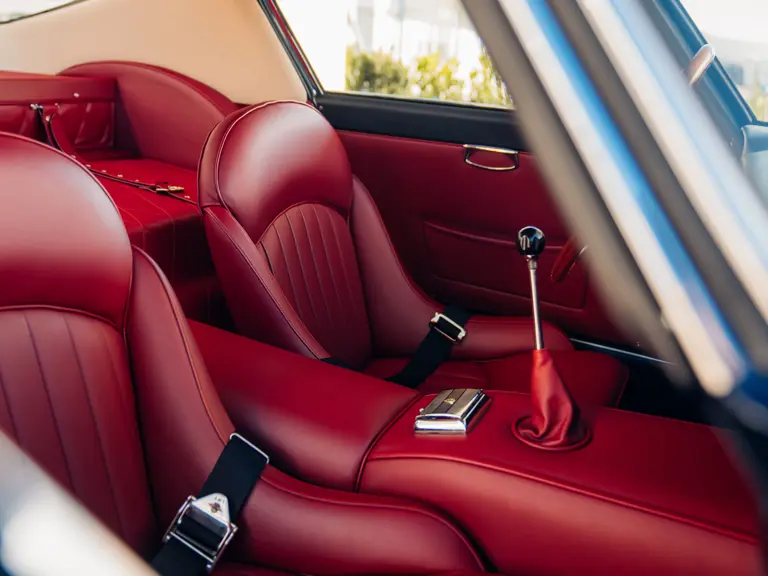
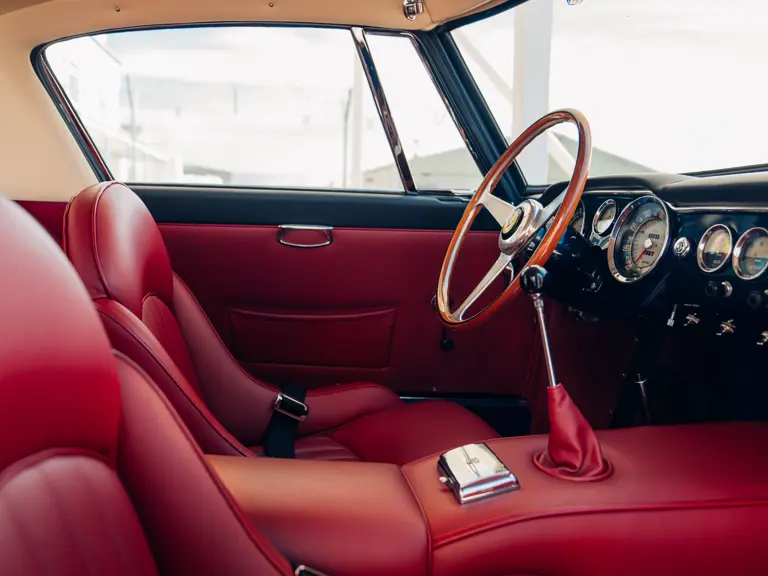
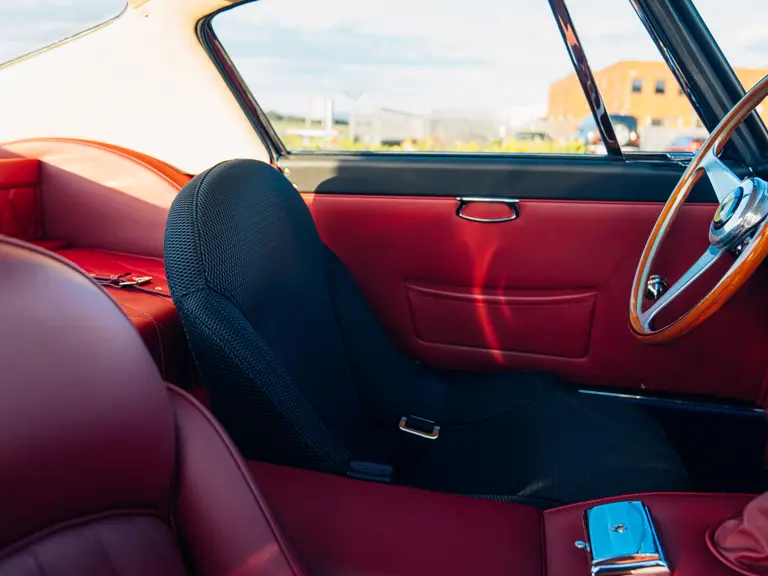
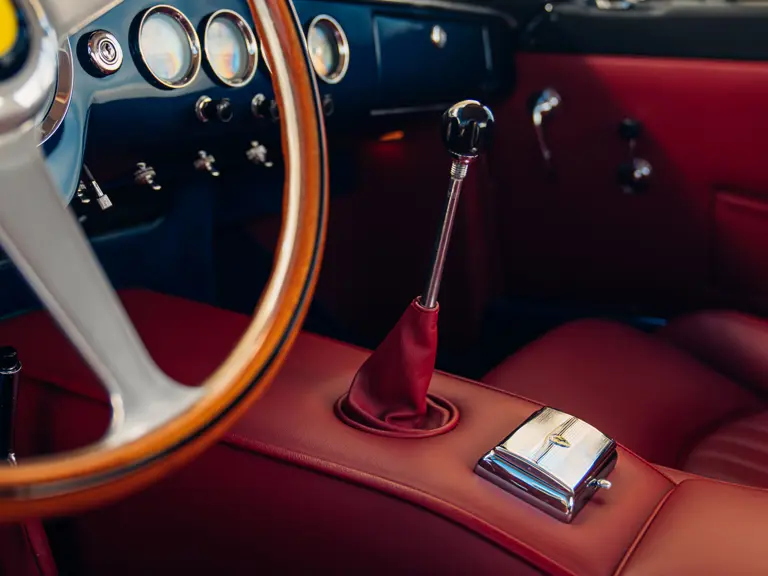
This example now wears Blu Notte Metallizzato, a deep metallic blue the current owners selected as how they would have ordered the car new in 1962. Red Connolly leather provides counterpoint. The transformation extends beyond aesthetics. Full engine, gearbox, and rear axle rebuilds were undertaken, while the suspension and braking systems received similar attention.
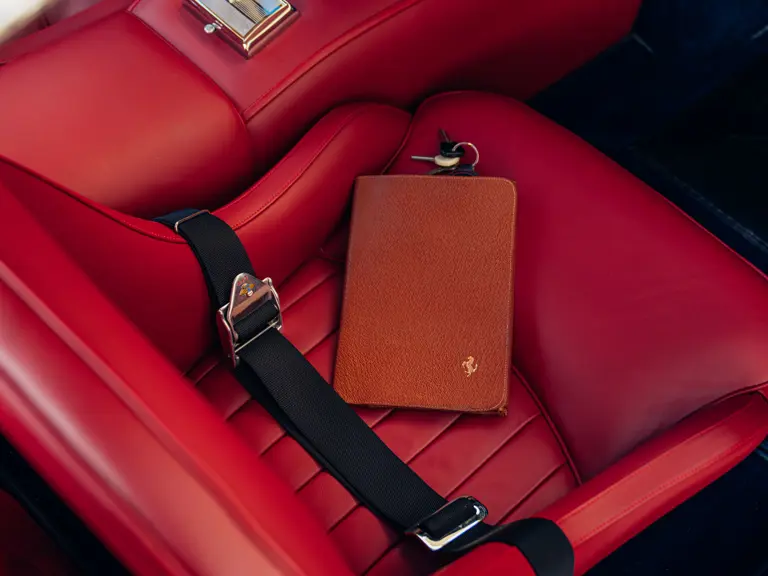
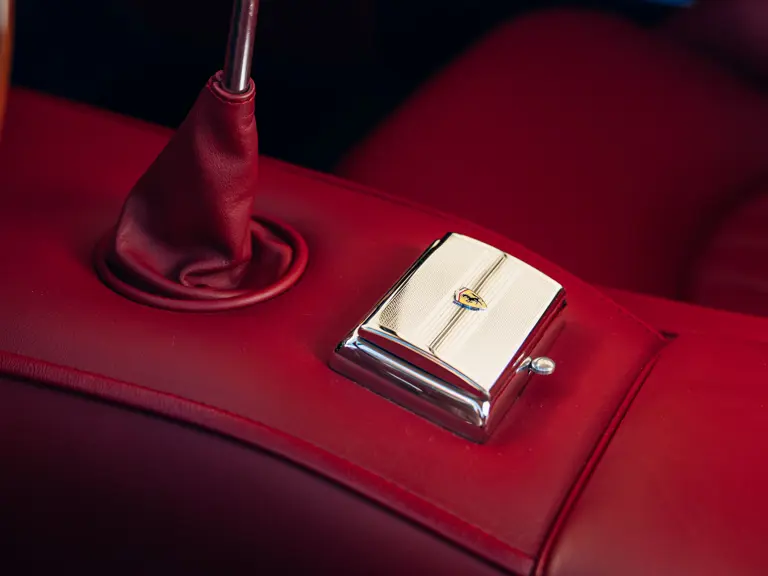
Full SWB restorations typically cost £400,000–£550,000 ($500,000–$690,000) or more, depending on initial condition. The Colombo V12 alone can require £120,000 ($150,000) for a complete rebuild, covering disassembly, machining, and reassembly with period-correct components. Bodywork demands specialists capable of recreating Scaglietti’s original curves, adding another £80,000–£160,000 ($100,000–$200,000). Interior re-trimming and electrical systems push costs higher, while Ferrari Classiche certification—verifying matching numbers—requires meticulous documentation and expert consultations.
For this particular example, the process spanned years, ensuring every detail aligned with Maranello’s archives. Chassis 3367 GT now carries Ferrari Classiche Red Book certification, confirmed in January 2014, verifying fully matching chassis, body, engine, gearbox, and rear axle. Its concours pedigree includes a class win at the 2014 Salon Privé Concours d’Elegance and Best of Show at the 2015 Ferrari Owners Club Concours. Most recently, it appeared at the 2019 Concours of Elegance at Hampton Court.
The car’s current specification demonstrates the owner’s attention to detail. Bespoke seat covers protect the Connolly leather from wear. Two sets of period-correct Borrani wheels accompany it—one slightly wider for driving on Avon tyres, another in concours-ready condition wearing correct-specification Pirelli Cinturatos. Each set has its own allocated spinners. An owner’s manual with leather pouch, tool roll, and spare wheels complete the package. The car’s history is extensively documented through factory build sheets, restoration invoices, and a historical report by marque expert Marcel Massini.


Market Dynamics
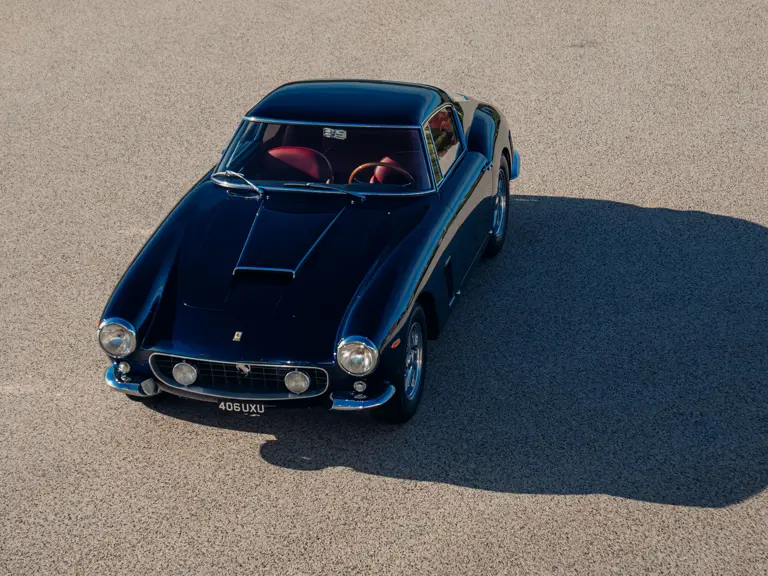
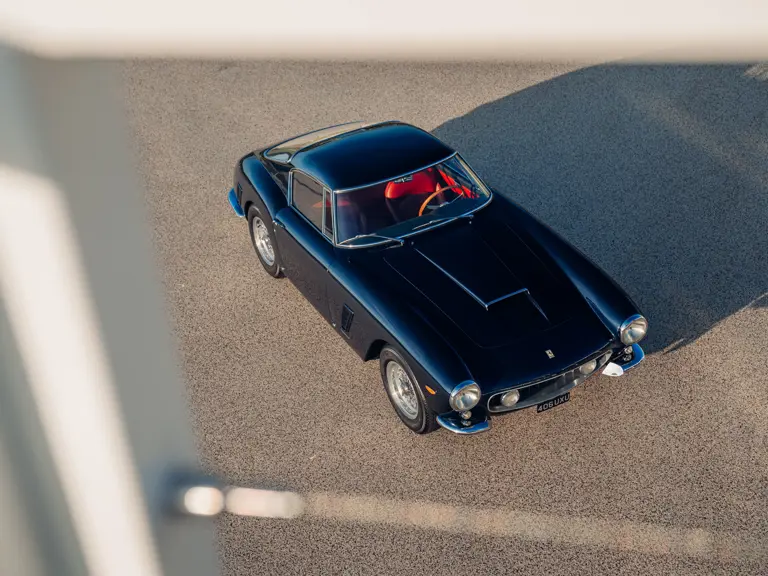
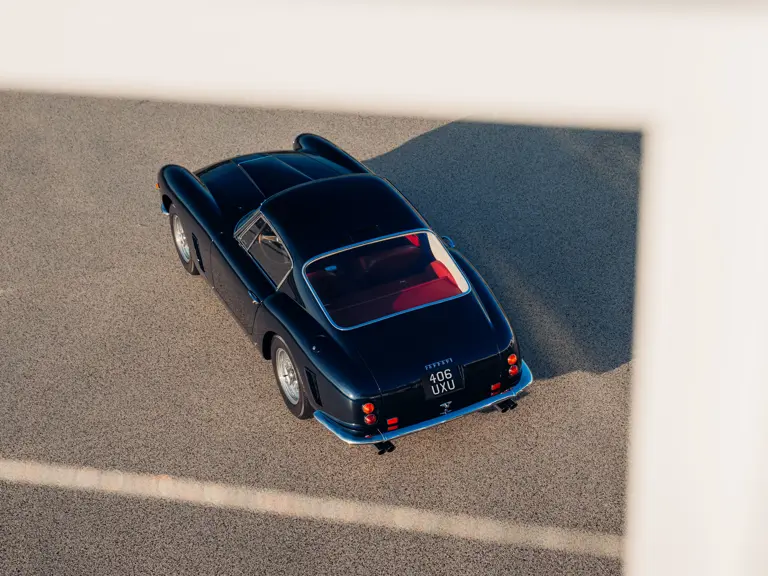
The 250 GT SWB Berlinetta occupies strong ground among collectors. It represents Ferrari’s mastery at the intersection of racing ambition and road-car refinement—a balance many consider superior even to more celebrated models. The chassis engineering influenced the later 250 GTO, now the world’s most valuable car, yet the SWB offers near-equivalent performance with greater comfort at considerably lower entry points.
Well-documented examples typically trade between £7–10 million ($8.8–$12.6 million). A 1962 SWB Berlinetta achieved £6.4 million ($8.1 million) at RM Sotheby’s Monterey auction in 2023, while a semi-competition 1960 model carried estimates of €8–9 million (£6.8–7.7 million/$8.6–9.7 million) for Gooding & Company’s 2025 sale. The market remains discerning. Provenance and condition determine outcomes. Cars with Ferrari Classiche certification, continuous history, and documented restoration rarely struggle to find buyers. Modified or poorly restored examples can underperform dramatically.
From 2020 to 2025, average values for concours-level SWBs increased approximately 15–20%, outpacing many classic car indices despite economic volatility. This growth stems from demand among high-net-worth individuals viewing them as alternative assets, with annual appreciation often exceeding 5–10% for pristine examples.
Ownership extends well beyond purchase price. Annual maintenance for an SWB in regular use runs £8,000–£16,000 ($10,000–$20,000), covering fluid changes, tyre replacements, and specialist inspections. Insurance for a £10 million ($12.6 million) car costs £4,000–£12,000 ($5,000–$15,000) yearly, depending on usage. Climate-controlled storage adds £1,500–£4,000 ($1,900–$5,000) annually. Historic event participation—Tour Auto, Goodwood Revival—can total £16,000 ($20,000) per outing once entry fees and logistics are factored in.
Restoration risks persist. Uncovering hidden damage, sourcing rare components—original Weber carburettors fetch £4,000 ($5,000) each—can inflate budgets unexpectedly. Provenance disputes remain possible, as do market corrections during broader economic downturns. Still, for collectors valuing cultural capital alongside financial return, the SWB remains compelling. It offers what markets cannot manufacture: originality, scarcity, and documented history.
Lasting Appeal
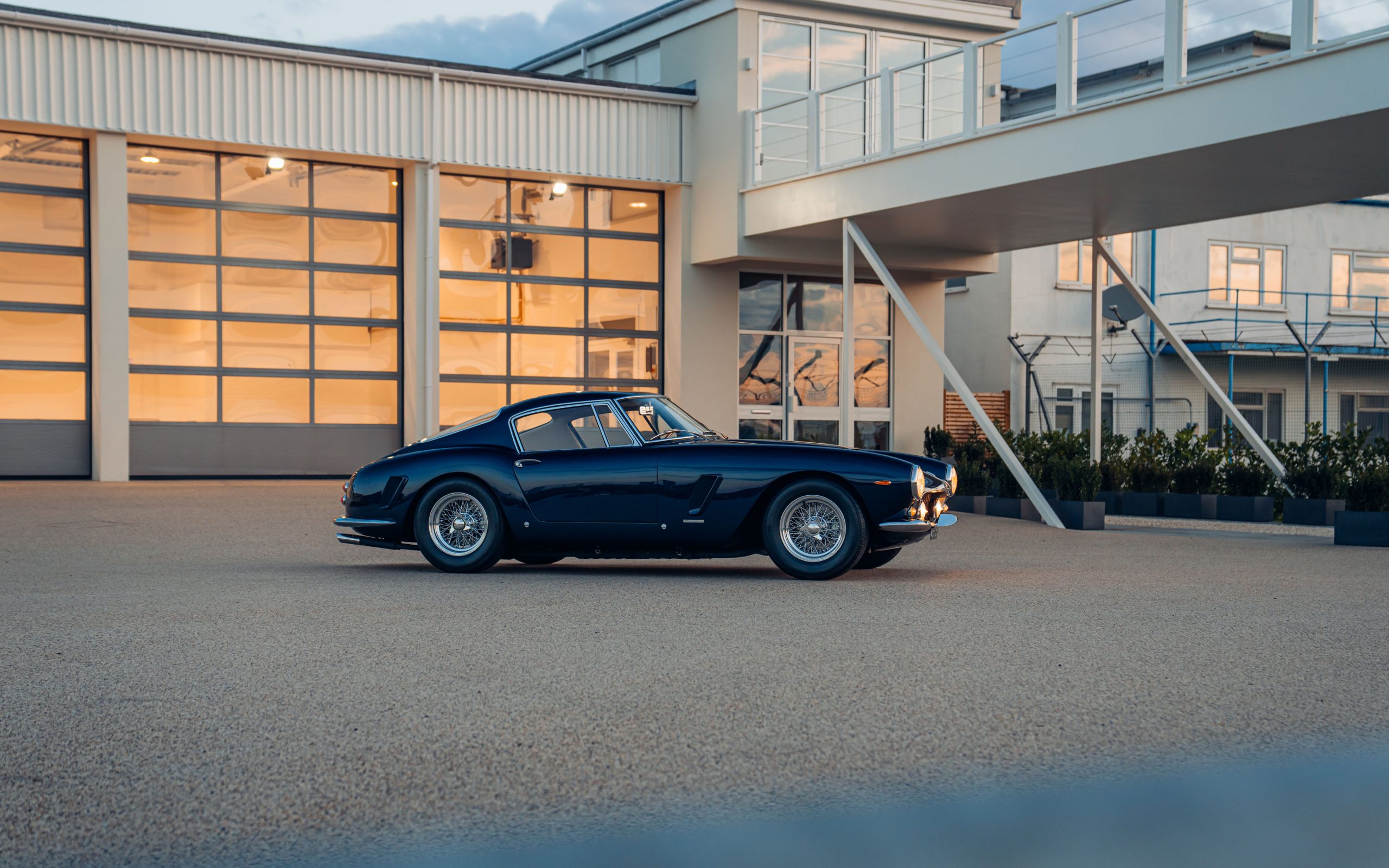
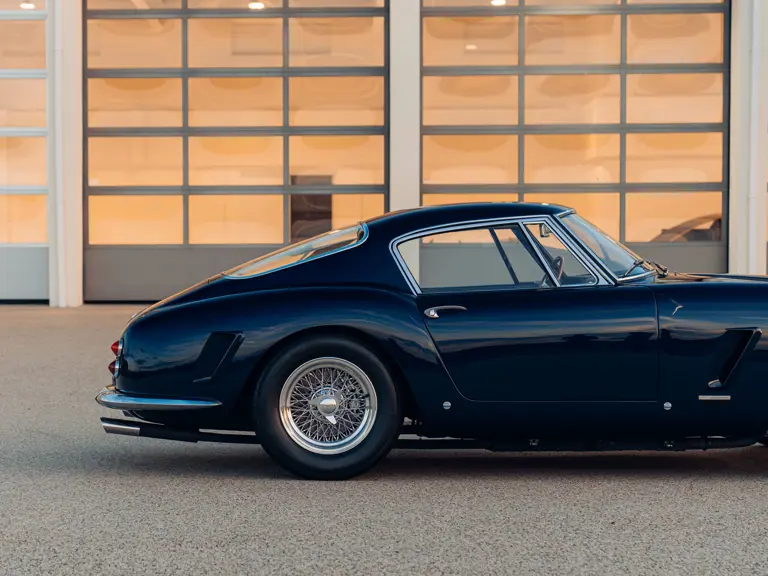
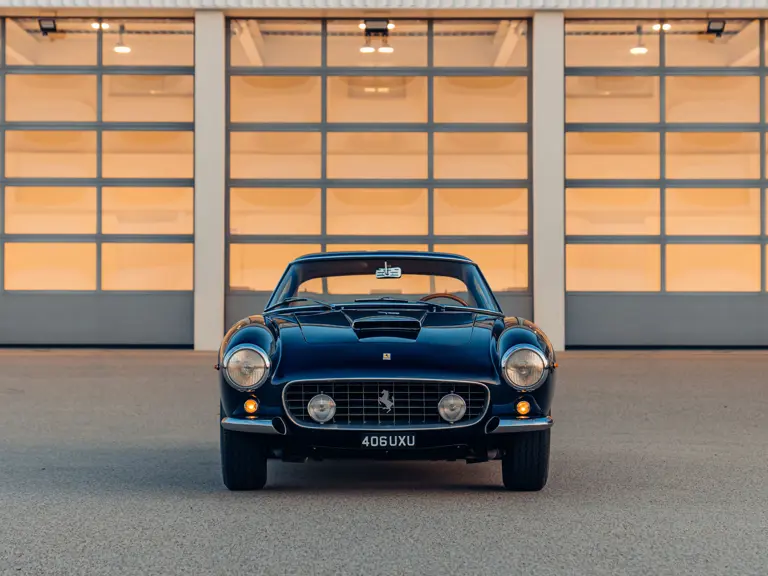
More than sixty years after production ceased, the 250 GT SWB Berlinetta continues commanding attention for straightforward reasons. It works. The engineering remains sound, the proportions hold up, and the driving experience delivers what modern supercars often don’t—direct mechanical feedback without electronic intermediaries.
Chassis 3367 GT demonstrates what proper stewardship achieves. From Swiss delivery to British concours champion, each owner refined rather than remade. The current fastidious approach—maintaining the car in ‘drive to show’ condition—represents years of documented investment and specialist attention. That care, combined with matching-numbers Ferrari Classiche certification and continuous provenance, establishes value beyond mere rarity.
For collectors seeking analog driving experiences with genuine investment potential, the SWB occupies rare ground. It offers racing heritage, road usability, and appreciation potential that few cars can match. This particular example, with its documented restoration and competition history, represents the model at its most complete.
Photo credits (right-hand side, top to bottom): Alex Penfold © 2025 Courtesy of RM Sotheby’s
Continue Reading on Ferrari: Ferrari F40 | Ferrari Enzo | Ferrari 275 GTB | Ferrari F50