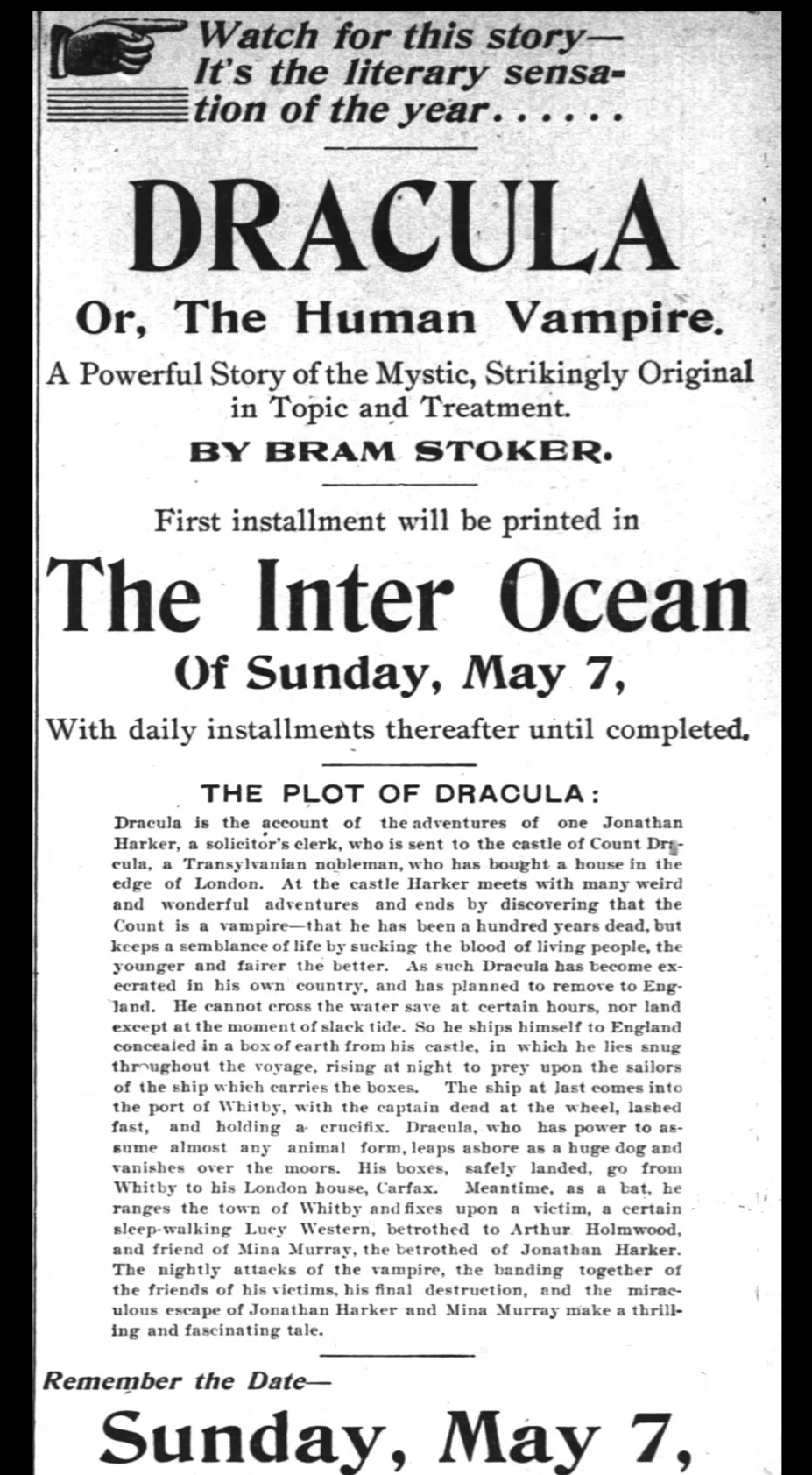
Widely regarded as a cornerstone of horror collecting, the 1897 first edition of Dracula is a prized treasure for any Gothic library. Its appeal endures today, far surpassing its initial critical reception. To understand its lasting success, we must explore the forces that shaped it: the nightmares, folklore, and research that fed Stoker’s imagination.
Nightmares and Research
Stoker’s creative process blended meticulous scholarship with supernatural inspiration. The Irish author spent years researching Eastern European folklore at the British Museum. He drew from Emily Gerard’s “Transylvanian Superstitions” and countless historical accounts. According to legend, the novel’s genesis lay in a vivid nightmare Stoker experienced, in which a terrifying vampire king rose from his tomb.
Born sickly and bedridden until age seven, Stoker’s childhood illness and recovery may have influenced his fascination with physical transformation, a recurring theme in Dracula. His mother Charlotte, a social reformer, witnessed the 1832 cholera epidemic in Sligo, sharing tales of mass graves and rumoured premature burials that likely fed the novel’s themes of death and undeath. Irish folklore thus contributed to his broader imagination, though the vampire mythology in Dracula draws primarily from documented Eastern European sources. Curiously, he never visited Transylvania, crafting its atmosphere entirely through research and correspondence.

The Irving Influence
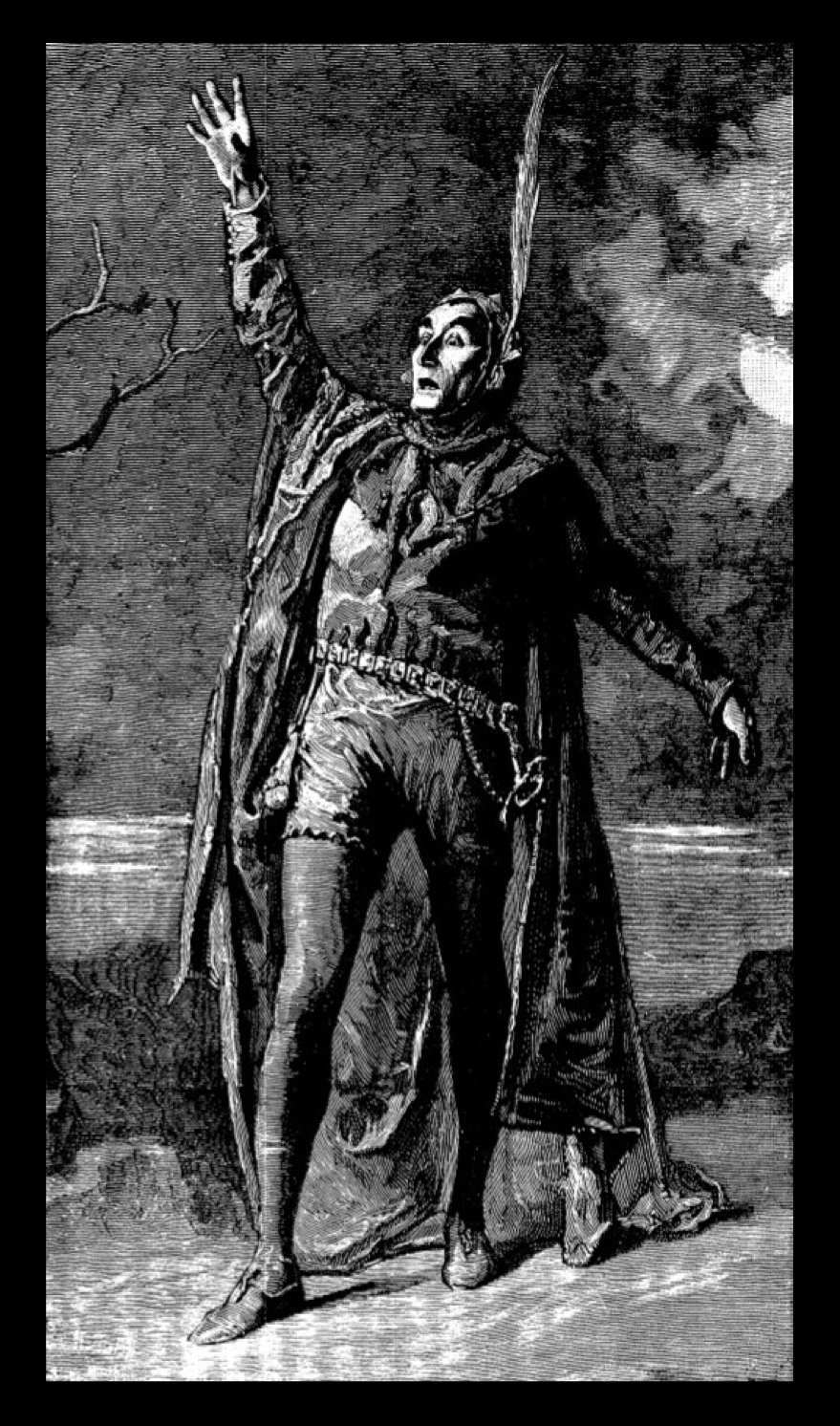
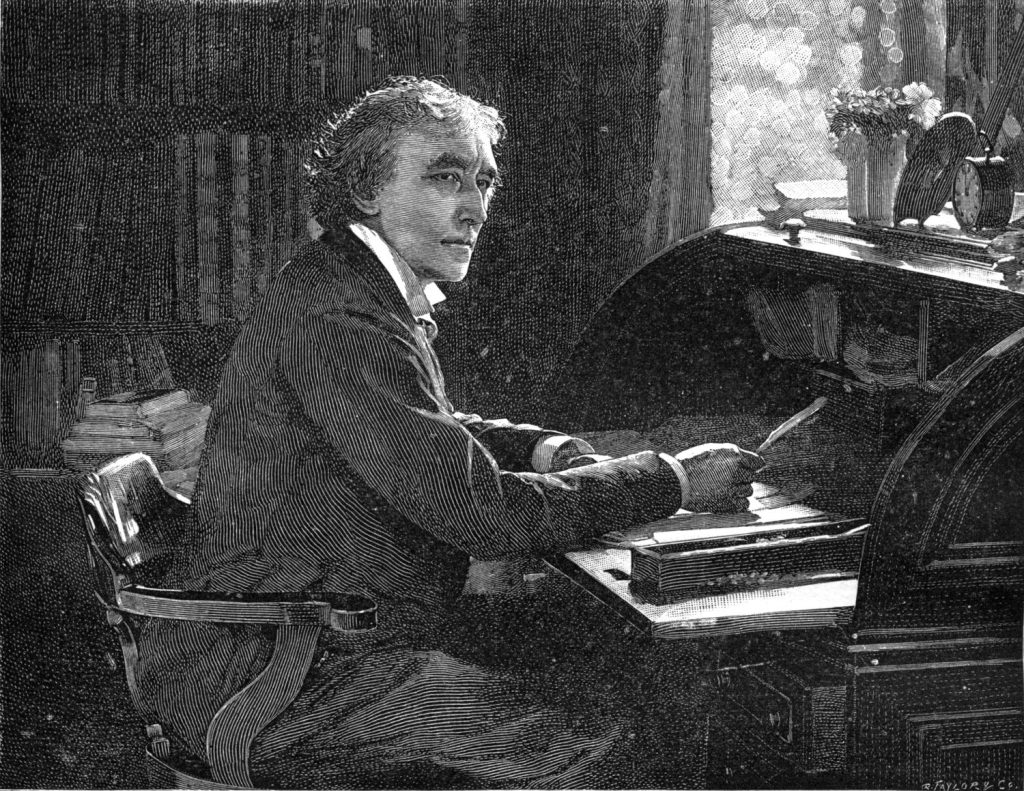
Count Dracula’s commanding presence may owe much to a real-life figure: Stoker’s employer, the renowned actor Sir Henry Irving. For twenty-seven years, Stoker served as business manager at London’s Lyceum Theatre, where he observed Irving’s theatrical magnetism and subtle authority—qualities that are thought to have shaped the vampire’s hypnotic charisma. Stoker greatly admired Irving, yet biographers note that this relationship also carried tension due to the actor’s demanding nature. While no definitive proof exists, the parallels in charisma, authority, and master-servant dynamics strongly suggest Irving influenced the character’s blend of charm and menace.
Binding and Construction
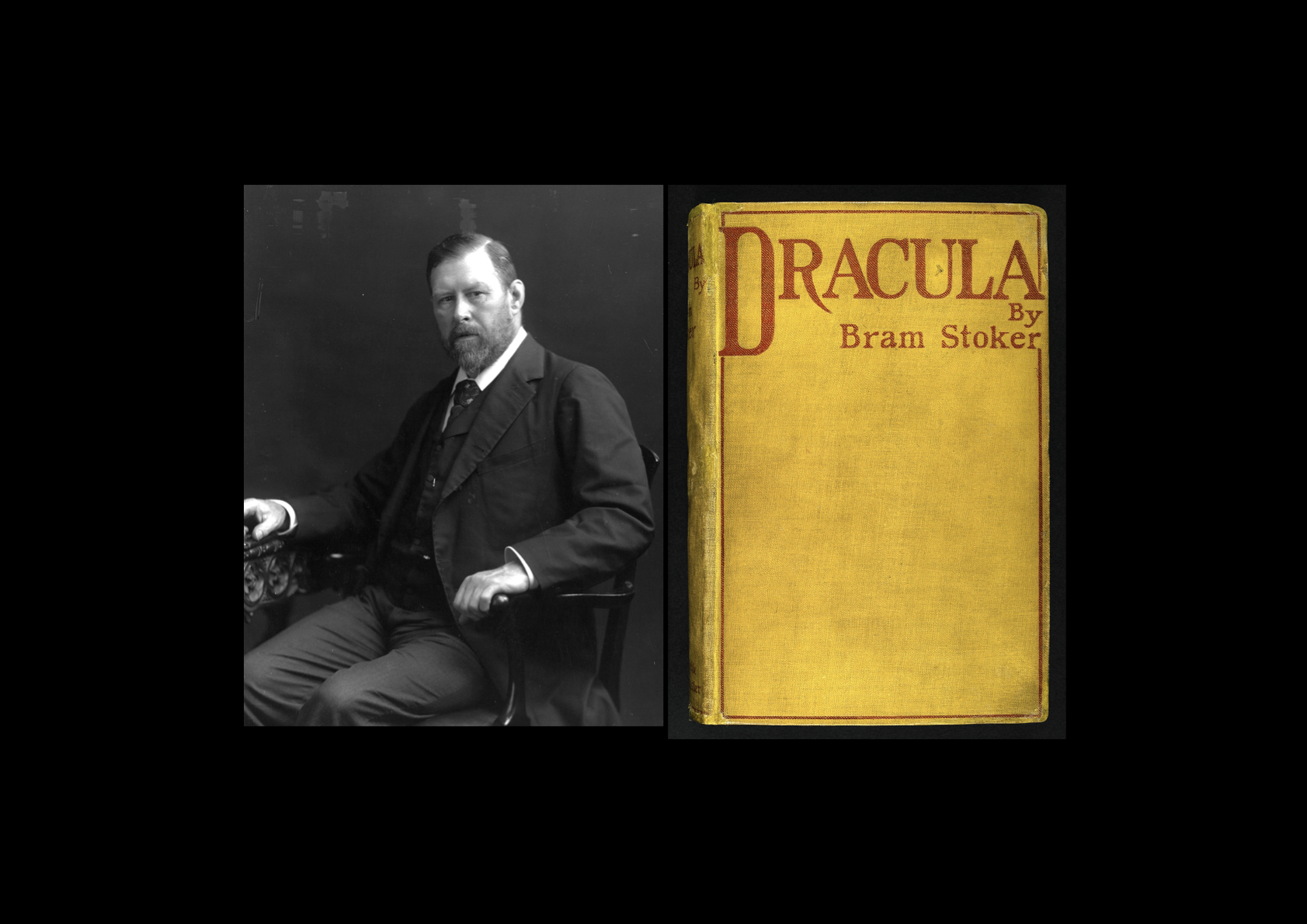
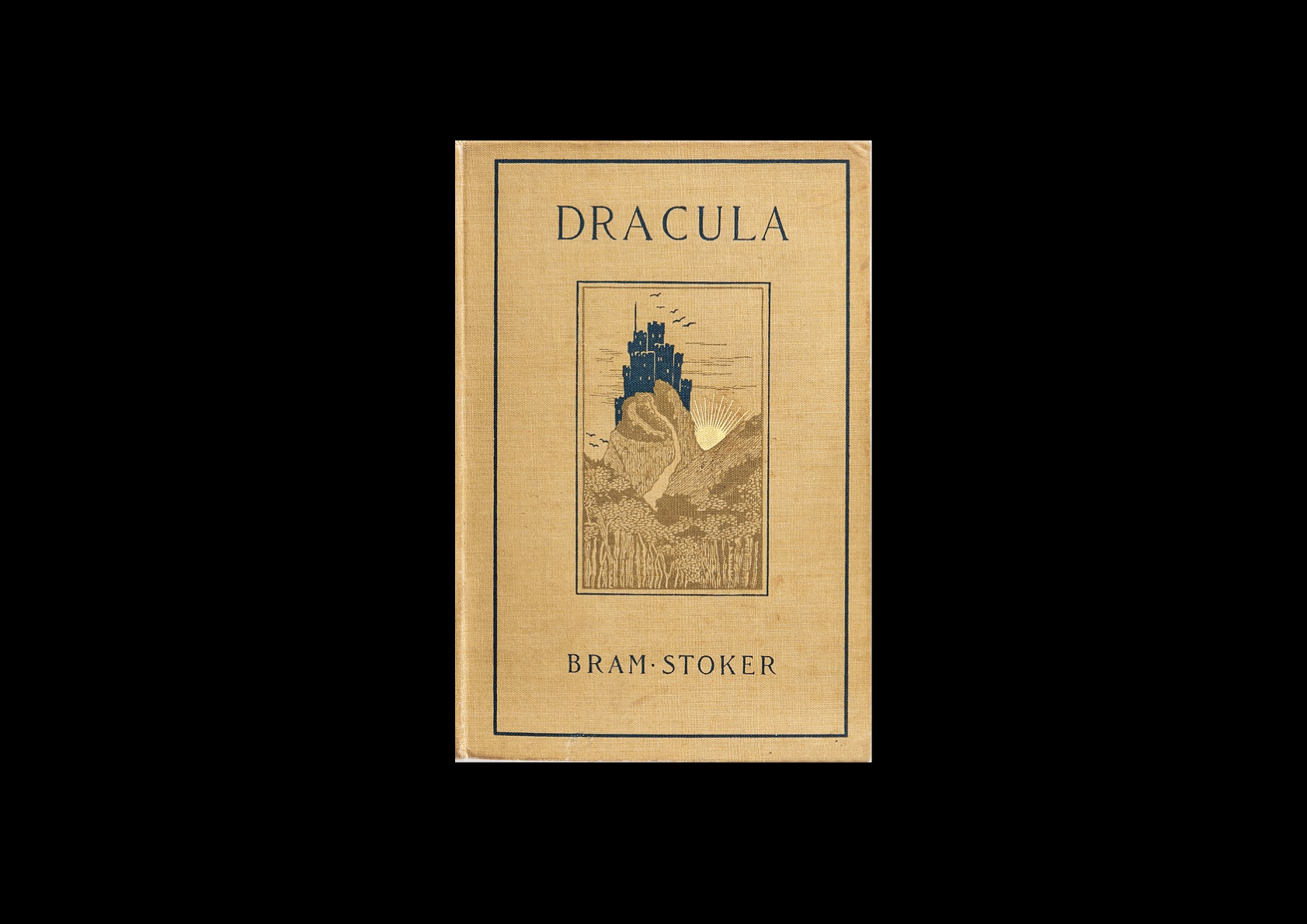
The first edition of Dracula, published by Archibald Constable & Company, produced 3,000 copies in the initial run, each bound in bright yellow cloth. The red lettering on the cover was stamped using standard embossing techniques common for trade publications of the period. The yellow cloth binding was prone to fading and soiling, making well-preserved copies rare. The construction—decent paper quality and standard binding—reflected typical 1890s trade publishing practices.
The typography on the spine and cover, designed for clarity and visual impact, balanced commercial appeal with a subtle nod to the novel’s eerie tone. Victorian publishers understood that books competed for attention in crowded shop windows, and Dracula’s bold visual identity ensured prominence among contemporary titles.

Identifying True First Editions
True first editions of Dracula have several distinctive characteristics that help collectors distinguish them from later printings. The presence of a blank integral last page, free from advertisements for The Shoulder of Shasta, marks the earliest copies and is a key point for authentication. Other features, such as the typography on the spine and cover, were designed not only for clarity and visual appeal but also serve as indicators of a first edition. Collectors use these details, alongside paper quality and binding, to establish provenance and value.
Market Insights and Value
Current market dynamics reflect strong demand across multiple collecting categories. Fine copies typically command £4,000–£12,000 ($5,200–$15,600) at UK auction houses, while signed or inscribed examples can exceed £16,000–£40,000 ($20,800–$52,000) depending on provenance and association. The spread reflects condition sensitivity—pristine examples carry substantial premiums over reading copies showing wear. Institutional interest from libraries and universities may contribute to competition for rare copies. Recent auction activity suggests sustained appreciation, particularly for copies maintaining original binding integrity.
Modern collectors approach Dracula first editions with appreciation for both literary significance and rarity. Condition assessment focuses heavily on the yellow cloth’s preservation, as fading represents the primary threat to value. Red lettering presents additional challenges, with flaking common among copies that have seen handling or poor storage. Authentication requires careful attention to multiple issue points. Beyond the blank integral leaf and absence of “Shoulder of Shasta” advertisements, experts examine binding techniques, paper quality, and typography for period-appropriate characteristics. The sophistication of modern forgeries requires professional evaluation for high-value transactions.
Colonial issue variants, intended for British colonial distribution, are exceptionally rare and command high prices. Documentation remains limited, making provenance particularly valuable for these variants. Market values can fluctuate based on economic conditions and collector trends.
Cultural Legacy
From its mixed reception in Victorian times, Dracula has grown into a cornerstone of Gothic literature. The novel reshaped the vampire genre, influencing countless stories that followed, from Sheridan Le Fanu’s Carmilla to modern interpretations in film and fiction. Today, the first edition is treasured as a tangible piece of literary history, a testament to the origins of a cultural phenomenon that continues to captivate readers more than a century later.