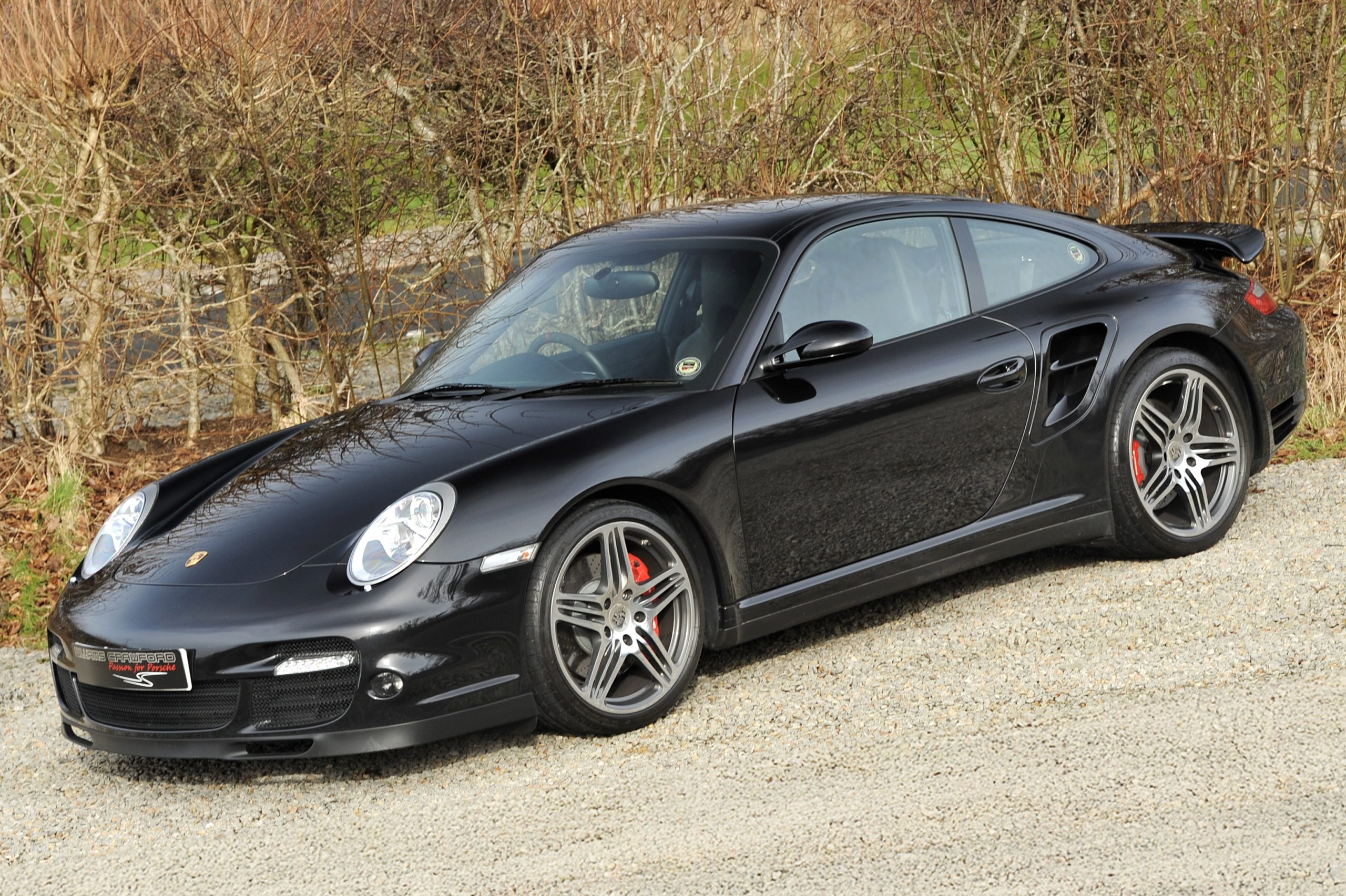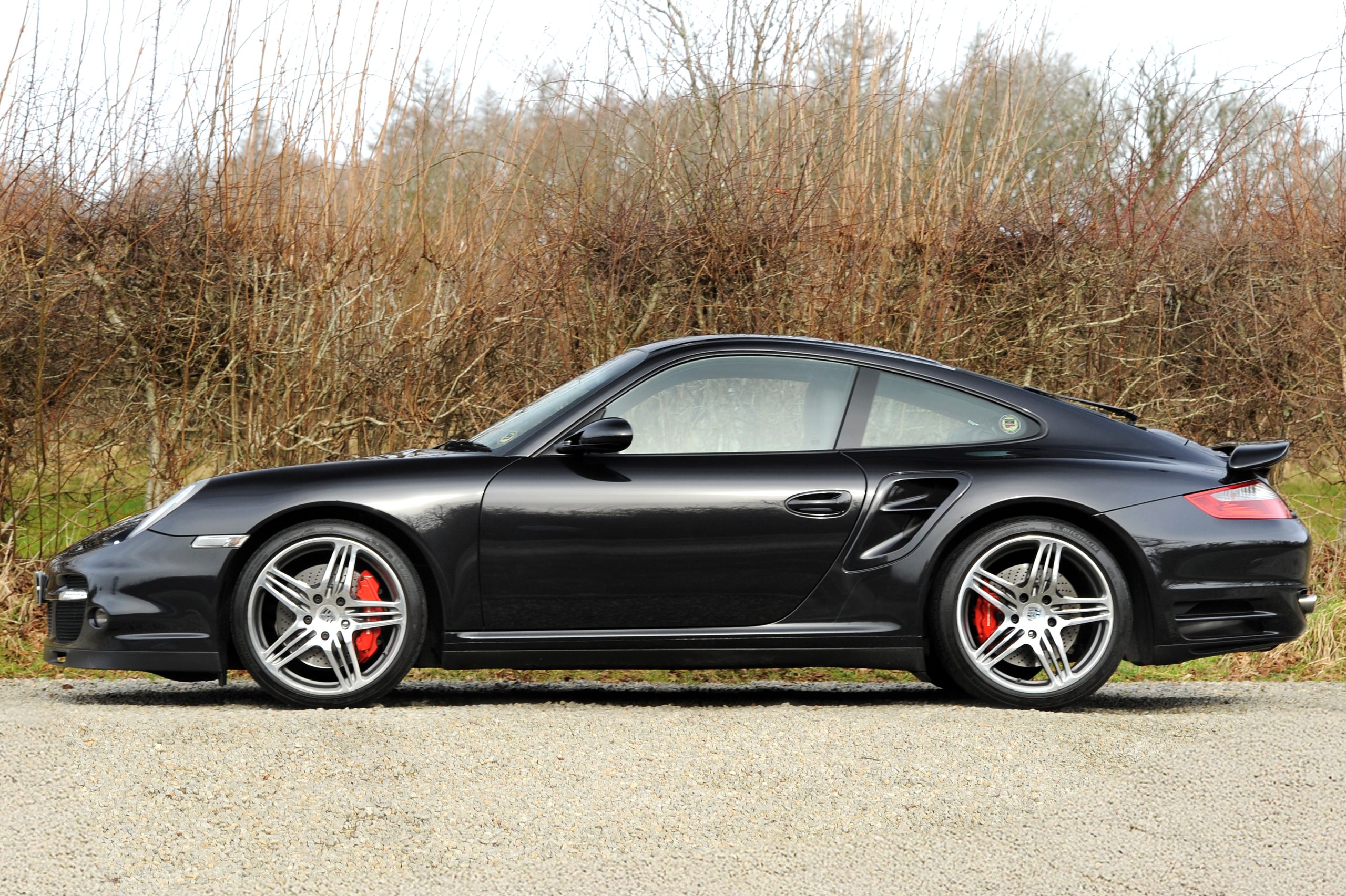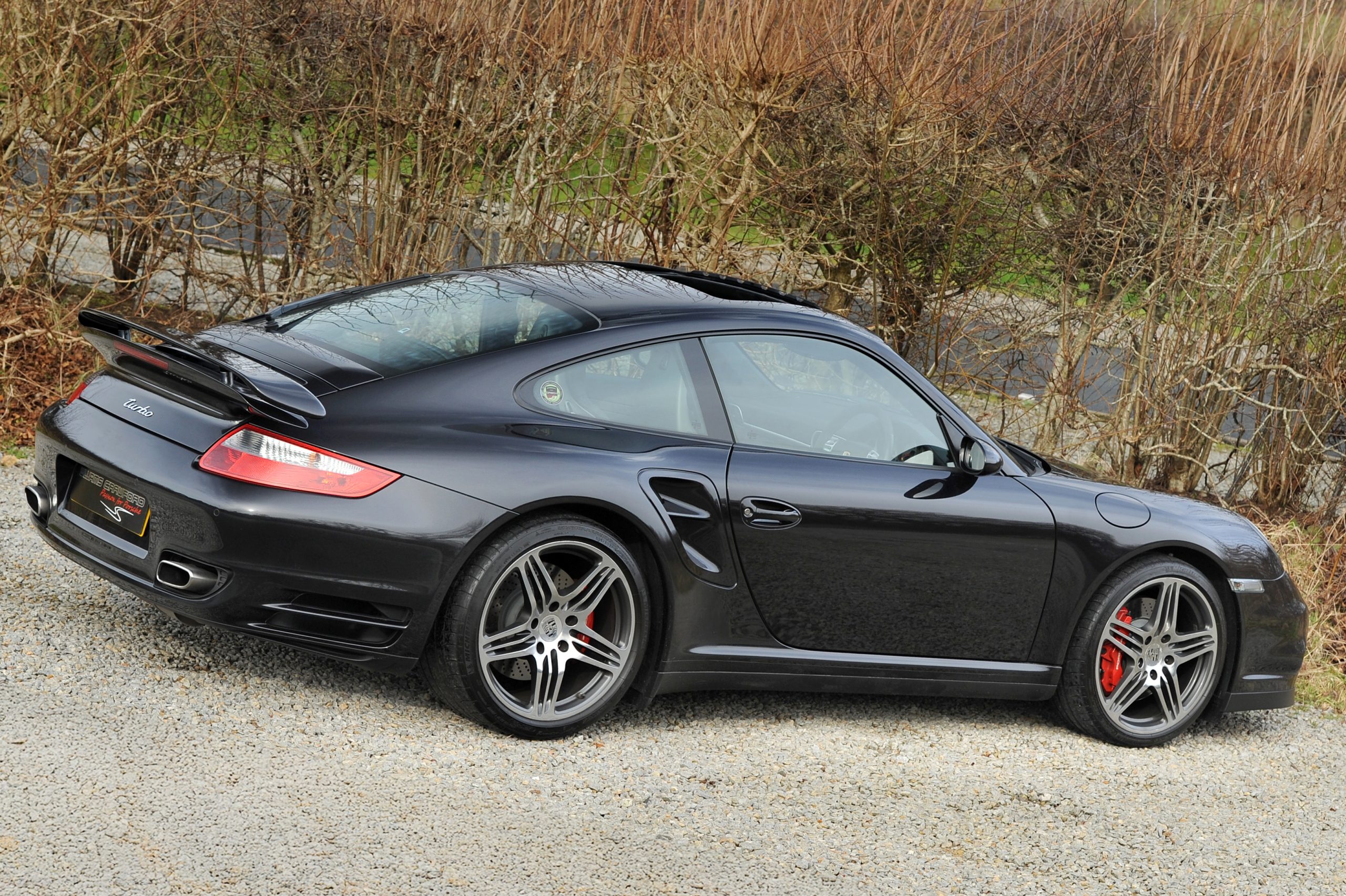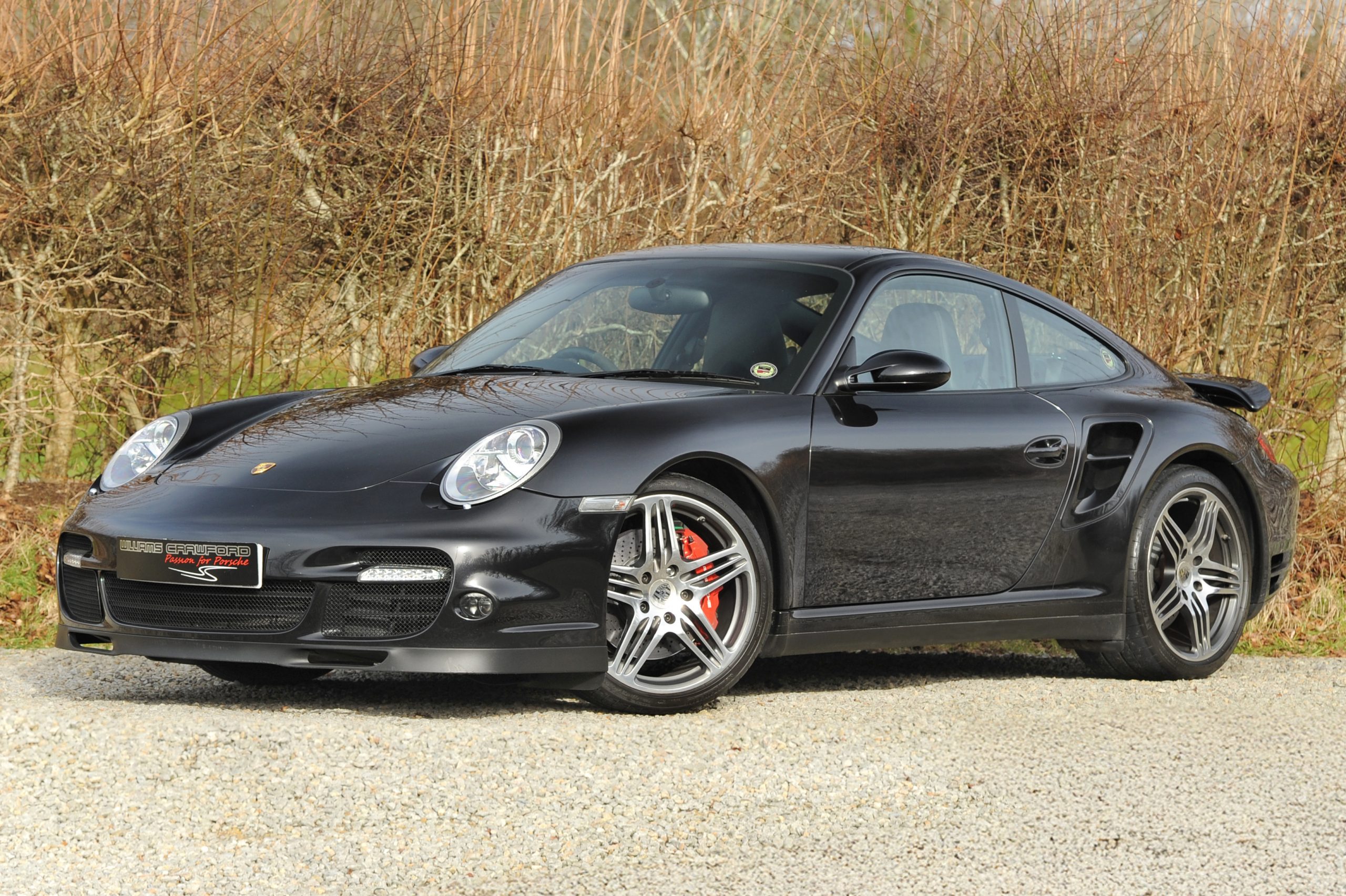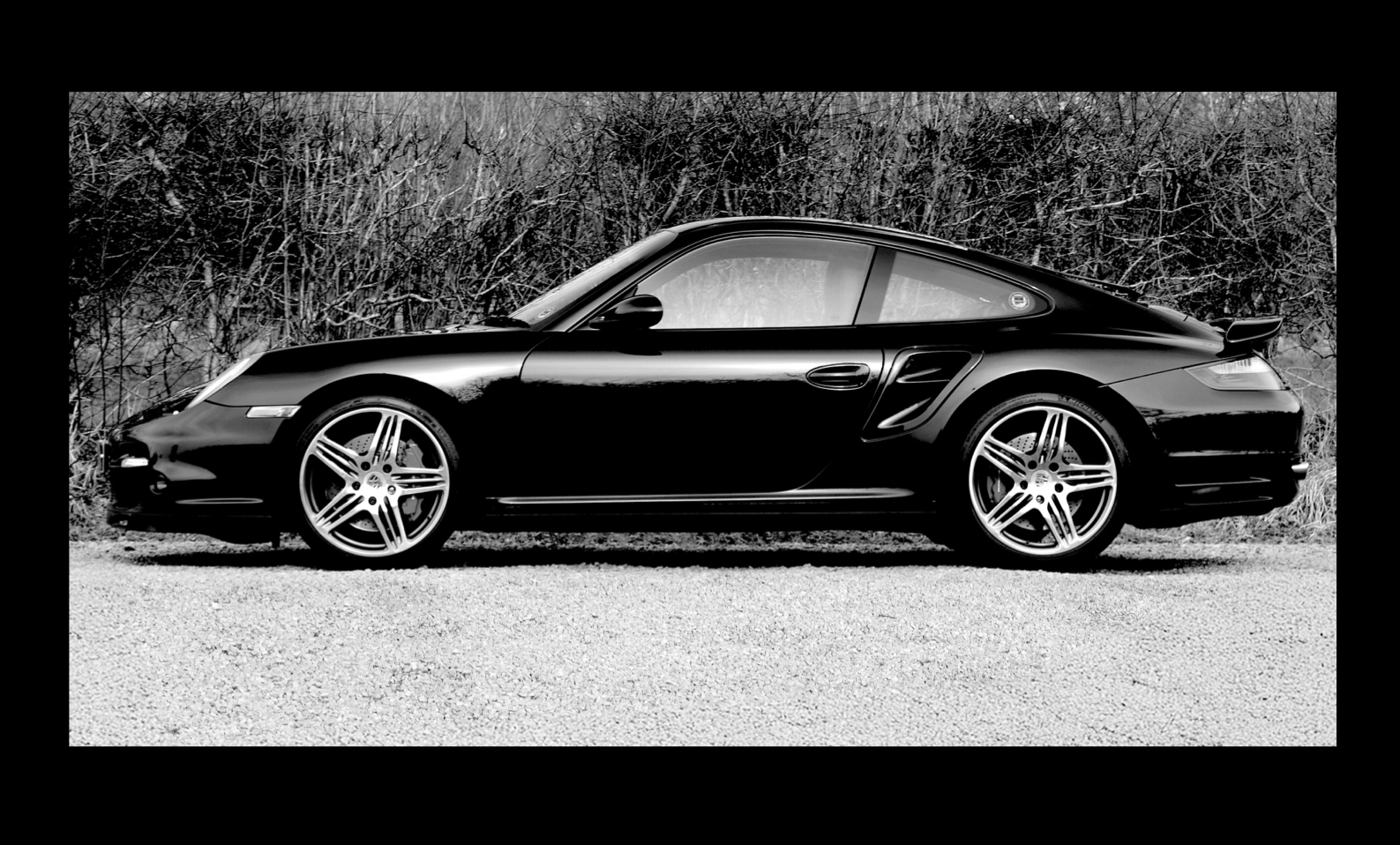
The clutch pedal depresses with mechanical precision. The gear lever slots into first with a satisfying click. Suddenly, you’re connected to 480 PS (~473 bhp) through your right foot, left hand, and decades of engineering refinement. This is the Porsche 997 Turbo Manual—the final curtain call for an era when supercars demanded skill, patience, and respect. As paddle shifts became the new norm, this machine offers something different: a partnership rewarding precision over convenience. It creates the most demanding yet satisfying driving experience Porsche ever offered with forced induction.
Engineering Purity
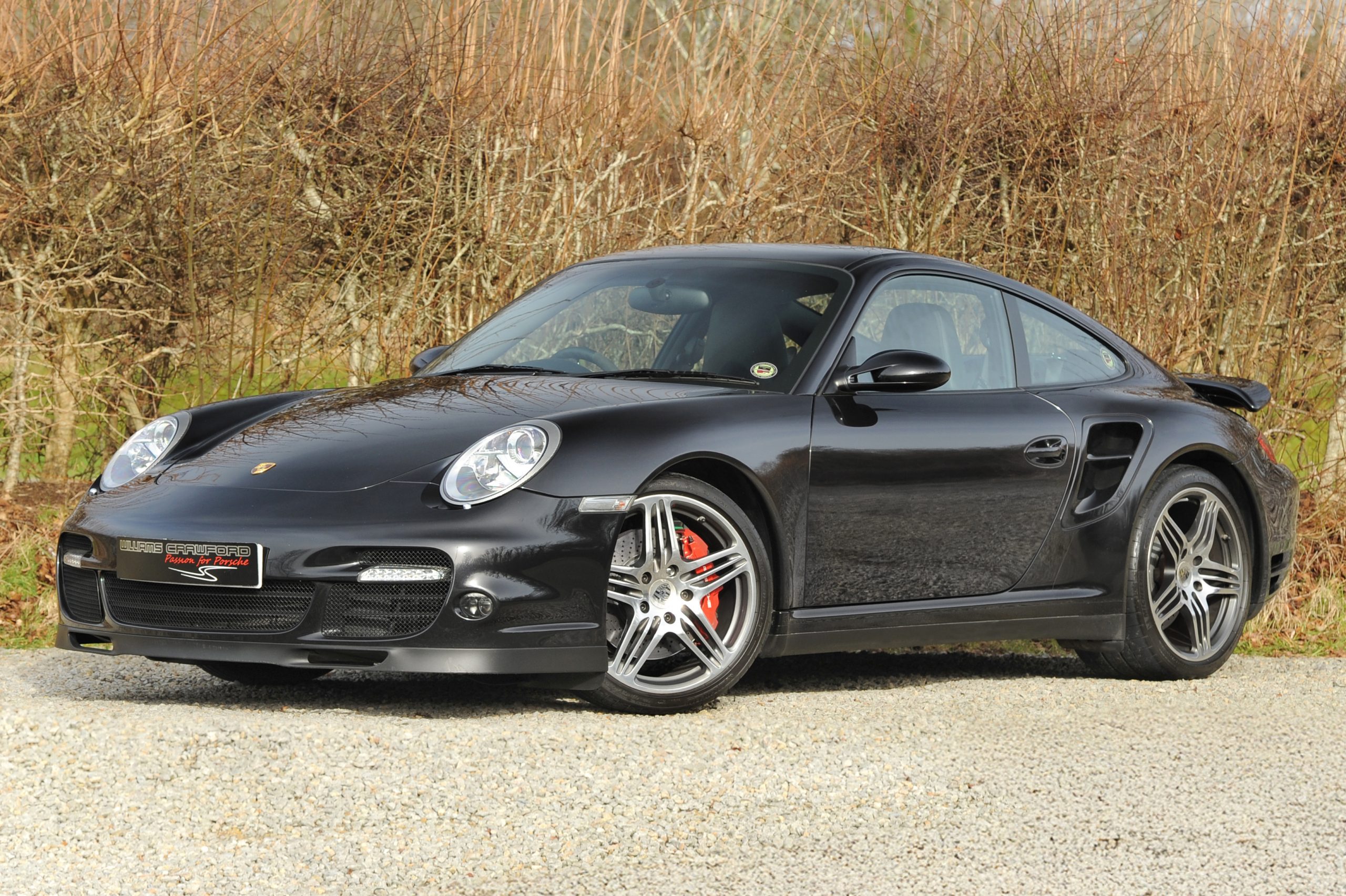
The 997 generation launched in 2004. It was refined throughout its eight-year production run, representing Porsche’s evolution of the 911 formula. The Turbo variant, introduced in 2006, preserved the mechanical purity soon lost in turbocharged models. Beneath its refined exterior lies the legendary Mezger engine—a flat-six powerplant derived from GT1 Le Mans racers. It delivered 480 PS (~473 bhp) in first-generation 997.1 Turbos and climbed to 500 PS (~493 bhp) in 997.2 variants. Unlike contemporary engines filled with electronic intervention, the Mezger unit responded to driver inputs with immediate, predictable fury.
The manual transmission—a six-speed marvel of German precision—required genuine skill to exploit fully. Drivers learned to modulate boost pressure, manage turbo lag, and coordinate three pedals in perfect harmony. The all-wheel-drive system featured Porsche Traction Management (PTM), using electronically controlled multi-plate clutches for dynamic torque distribution. This represented a significant advance over the viscous couplings of earlier 911 Turbos.

Driver-Focused Design
What distinguished the 997 Turbo Manual was its character. The hydraulically-assisted steering provided feedback that modern electric systems cannot replicate. The suspension maintained the fundamental 911 trait of rear-engine balance. It rewarded smoothness and punished ham-fistedness.
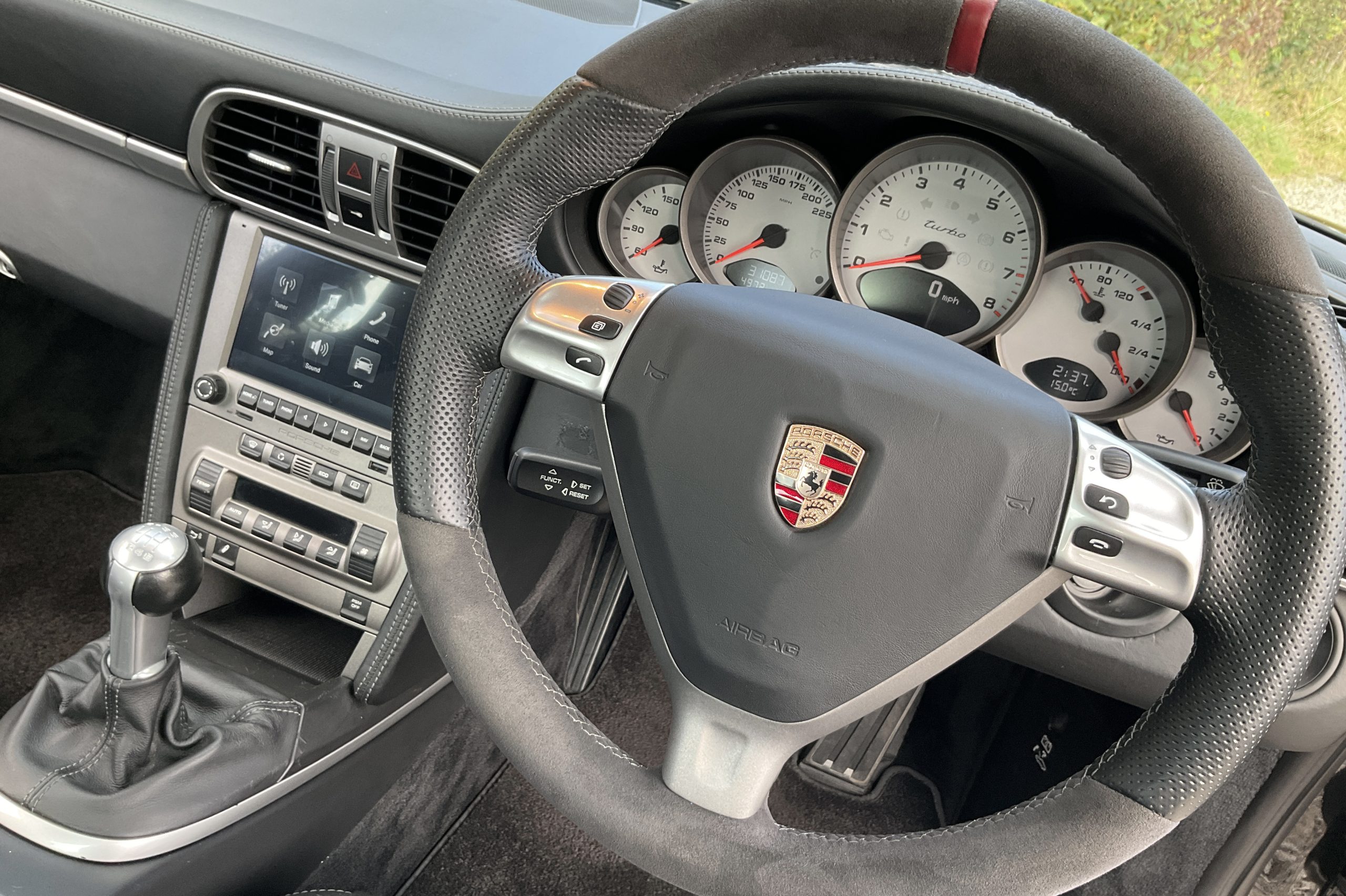
The cockpit design reflected this philosophy of mechanical engagement. Five round gauges provided essential information without digital distraction. The gear lever fell naturally to hand. Every control communicated Porsche’s commitment to driver-centric design principles.
Collector Recognition
The 997 Turbo Manual represents the sweet spot between raw performance and daily usability. Unlike earlier generations plagued by mechanical fragility, the 997 achieved remarkable reliability whilst maintaining visceral connection. This combination is unlikely to return to Porsche’s lineup.
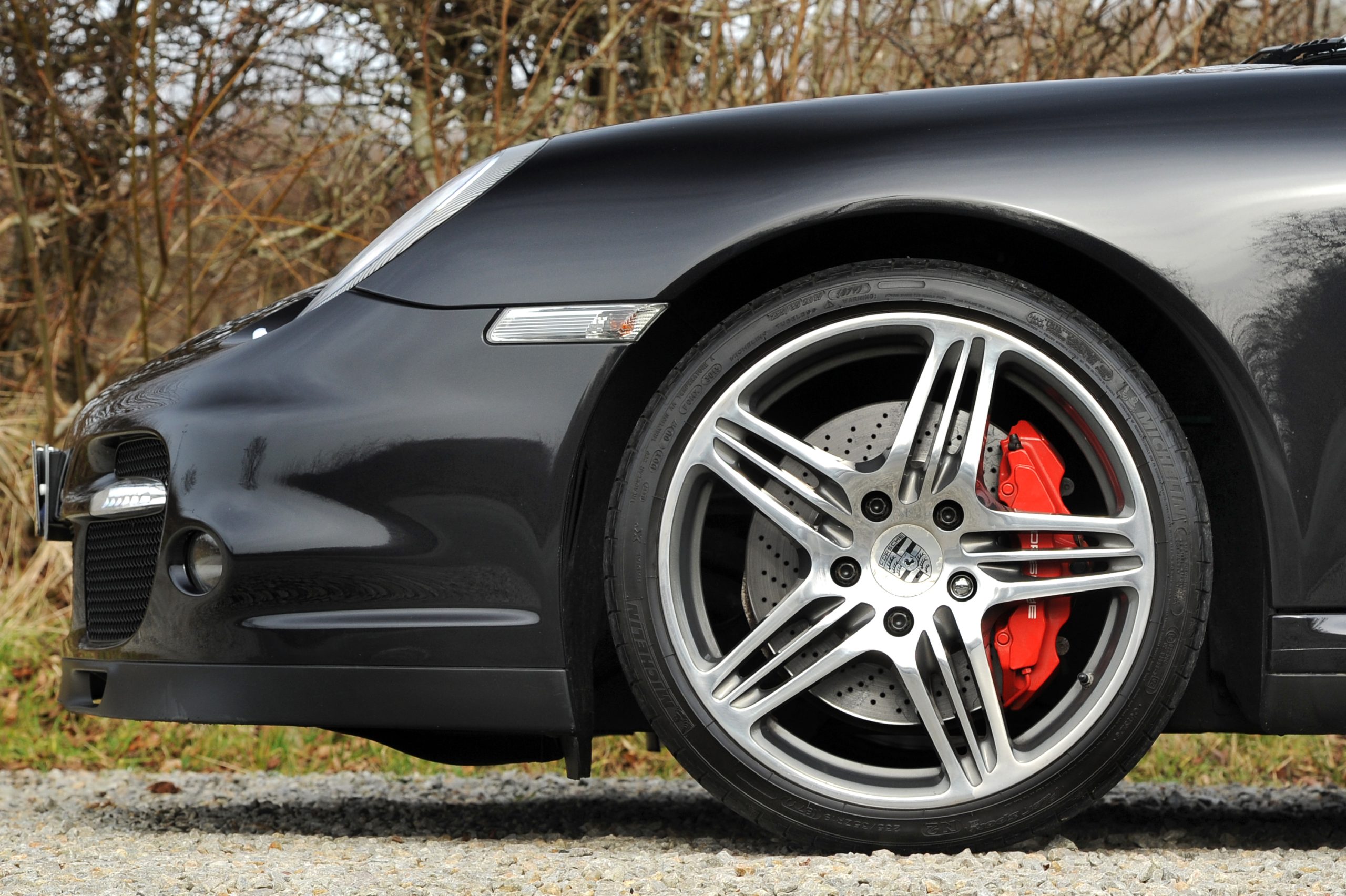
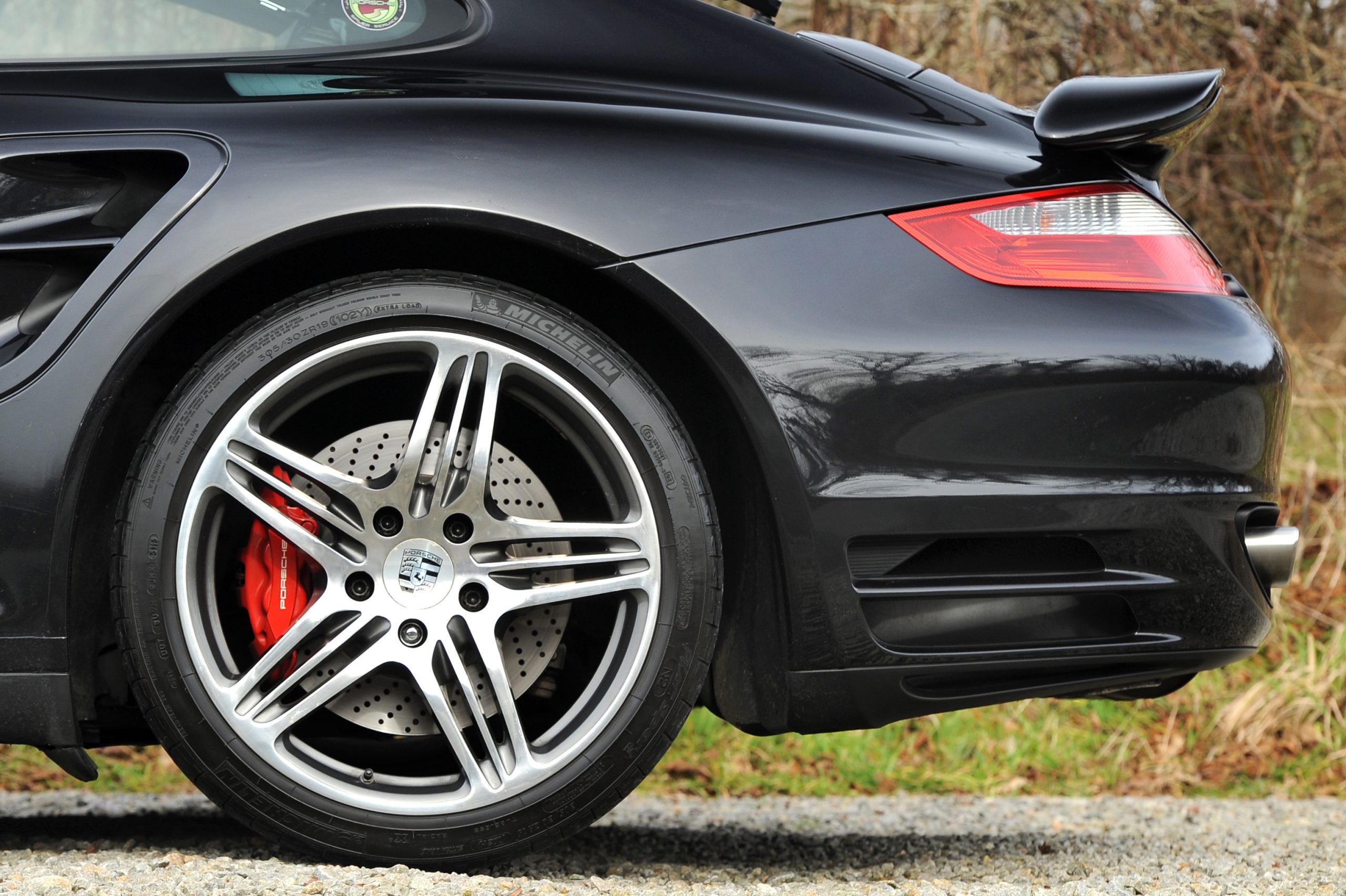
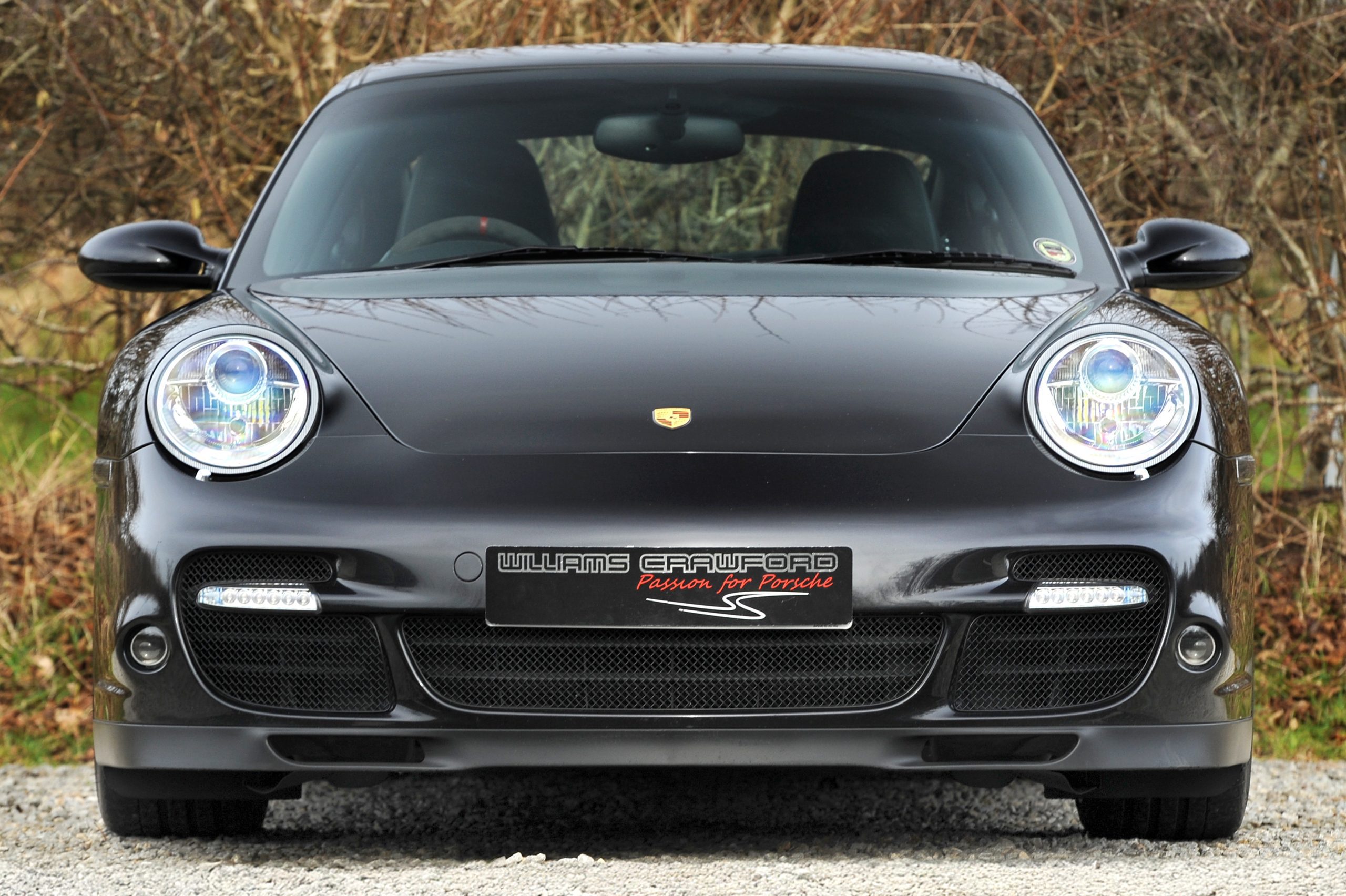
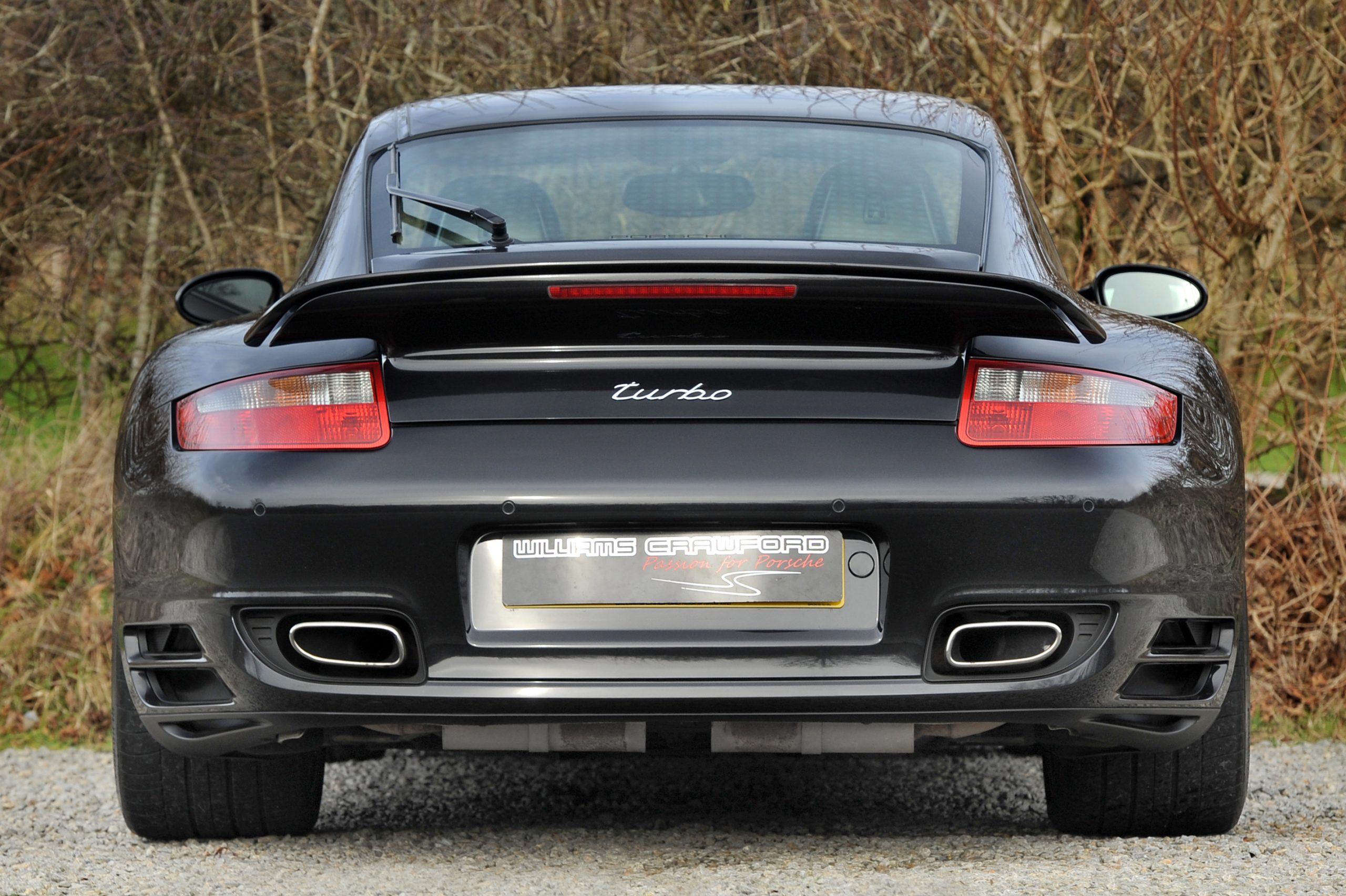
The design language appeals to purists who appreciate its evolutionary approach. The teardrop headlights, a refined evolution from the 996’s controversial ‘fried-egg’ design, now appear prophetic. They bridge classic 911 proportions and contemporary aerodynamic requirements. The wider rear track created the aggressive stance that would become standard for all subsequent 911 Turbos.
The manual transmission transforms every acceleration into active collaboration between human and machine. This contrasts sharply with paddle-shift systems that reduce the driver to a passenger. The 997 bridges the water-cooled revolution of the 996 and electronic sophistication of the 991. It captures modern engineering benefits while retaining the purity that defines traditional sports cars.
What elevates the 997 Turbo Manual from great sports car to rare collectible is its place as a definitive “last.” It was the final 911 Turbo to pair a manual gearbox with the storied Mezger engine—a historic full stop in Porsche engineering. Collectors prize these final expressions of an era, much like the last air-cooled 993.
Market Performance
As the final manually shifted 911 Turbo, its rarity and visceral connection cement its status as a collector’s darling. In the UK, well-maintained 997.1 Turbo manual coupes fetch £60,000–£70,000, with 997.2 variants commanding £70,000–£100,000. Exceptional low-mileage examples exceed £100,000. In the US, prices range from $110,000–$130,000 for 997.1 and $130,000–$160,000 for 997.2, with pristine manual specimens hitting $160,000–$200,000+. Manuals consistently draw 10–15% premiums over PDK-equipped siblings, reflecting strong demand among purists.
That strength in the market is underpinned by pure numbers. Only a small minority of 997 Turbos worldwide were specified with manual gearboxes, estimated to be significantly less common than their PDK or automatic siblings. This scarcity drives the consistent premium pricing manual variants command over their automatic counterparts.
The 997 Turbo’s impressive performance credentials—0-60 mph in approximately 3.7–3.9 seconds with the manual transmission (depending on conditions) and a top speed of 193 mph—remain competitive by contemporary standards, supporting its position as a legitimate supercar alternative. The combination of everyday usability and weekend track capability creates broad appeal amongst those seeking versatile performance machines.
Investment potential appears strong, driven by the model’s unique position as the final manually-shifted 911 Turbo. As Porsche’s lineup becomes increasingly automated, the 997 Turbo Manual’s significance continues to appreciate. However, buyers must navigate potential maintenance considerations, particularly regarding turbo actuators and clutch replacement costs. Turbo actuator failures can require expenditure of £1,100–£3,300 ($1,430–$4,290). Clutch replacements typically range from £1,500–£3,000 ($1,950–$3,900). These factors can impact ownership economics for those seeking 997 Turbo manual for sale.
Market availability remains reasonable, though prime examples with full service histories and low mileage command premium pricing. The UK market particularly values cars with comprehensive documentation and preferably single-owner provenance, reflecting increasing sophistication in evaluating these modern classics for long-term investment potential.
Future Legacy
As manufacturers embrace electrification and automated transmissions, the skills required to extract the 997 Turbo Manual’s full potential become almost arcane knowledge. Yet this obsolescence increases its appeal to those who understand some experiences can’t be replicated by software or electric motors.
Future appreciation seems assured, driven by its role as the last expression of a true automotive philosophy. The 997 Turbo Manual demands active driver participation, creating memories passive driving cannot match. For those who value this vanishing art, the 997 Turbo Manual preserves a fading bond between driver and machine.

Images Courtesy of Williams Crawford.
Disclaimer: This article is for informational purposes only and does not constitute financial or investment advice. Prices and market conditions may change. Readers should conduct their own research before making any purchase decisions. The Exclusivist accepts no responsibility for any outcomes arising from the use of this information.